 Save to Pinterest
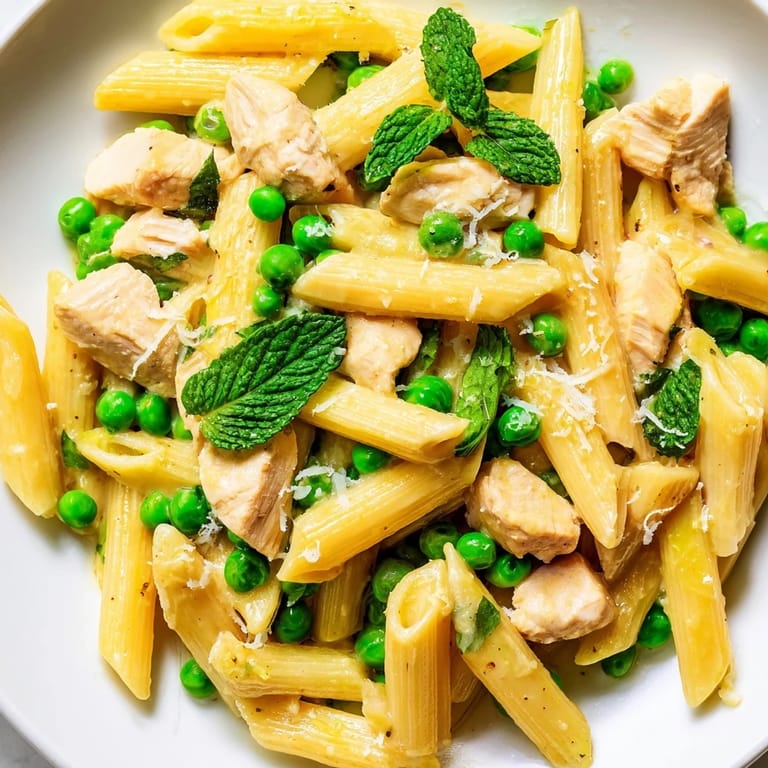
 The first time I made this pasta was during an unexpectedly warm March evening when my windows were thrown open to catch the spring breeze. I had a bag of frozen peas and some mint that was threatening to take over my windowsill garden, and somehow this bright combination emerged. Now it is become my go-to when I need something that feels lighter than heavy winter comfort food but still satisfying.
Last spring, my neighbor Sarah dropped by unexpectedly while I had this simmering on the stove. She ended up staying for dinner and now requests it every time she sees fresh mint at the farmers market. There is something about the combination of lemon and mint that makes people feel instantly at ease, like they have stumbled into a garden party.
Ingredients
- Penne or fusilli pasta (350 g): The ridges catch the buttery sauce beautifully and I have found short pasta works better than long strands here
- Boneless skinless chicken breasts (2): Cutting them into bite sized strips before cooking means every forkful has protein without needing to knife through chunks at the table
- Olive oil (1 tbsp): Use a decent one here since it is the foundation for cooking your chicken
- Salt and black pepper: Season your chicken generously before it hits the pan, underseasoned protein is the most common mistake I see
- Frozen peas (1 cup): Do not tell anyone I said this but frozen peas often taste sweeter than fresh unless it is peak pea season
- Garlic (2 cloves): Mince these finely so they melt into the sauce rather than leaving chewy bits
- Lemon (1 whole): You need both zest for that aromatic brightness and juice for the acidic balance that cuts the butter
- Chicken broth (1/2 cup): Low sodium gives you control over the final seasoning and helps build those flavorful browned bits
- Unsalted butter (3 tbsp): This creates that glossy restaurant quality finish and emulsifies everything together
- Parmesan cheese (1/2 cup): Freshly grated is non negotiable here, pre grated cheese simply will not melt the same way
- Fresh mint (1/4 cup): Chop this right before adding so the oils do not have time to dissipate
- Fresh parsley (optional): Adds a nice herbal backup note and makes the green garnish pop visually
Tired of Takeout? 🥡
Get 10 meals you can make faster than delivery arrives. Seriously.
One email. No spam. Unsubscribe anytime.
Instructions
- Cook the pasta to perfection:
- Boil salted water and cook pasta until al dente, then reserve that starchy pasta water before draining, it is liquid gold for sauce consistency
- Get your chicken golden and gorgeous:
- Heat olive oil in a large skillet over medium high heat, season the chicken strips well, then sauté for 5 to 6 minutes until they develop a beautiful golden color
- Build the aromatic base:
- In the same skillet, cook minced garlic for just 30 seconds until fragrant, then add peas and let them heat through for 2 minutes
- Create the zesty sauce foundation:
- Add lemon zest, juice, and chicken broth, bringing everything to a simmer while you scrape up those flavorful browned bits from the bottom
- Bring it all together:
- Return chicken to the pan, reduce heat to low, add cooked pasta, toss everything until coated
- Finish like a pro:
- Stir in butter and Parmesan until melted and glossy, adding pasta water as needed
- Add the fresh element:
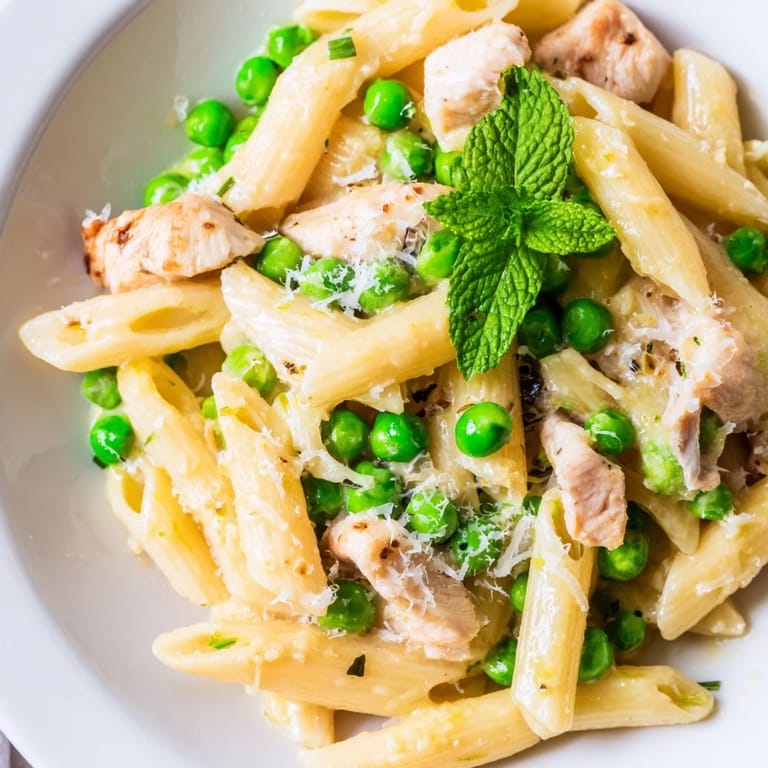
- Remove from heat and fold in chopped mint and parsley just before serving
- Plating matters:
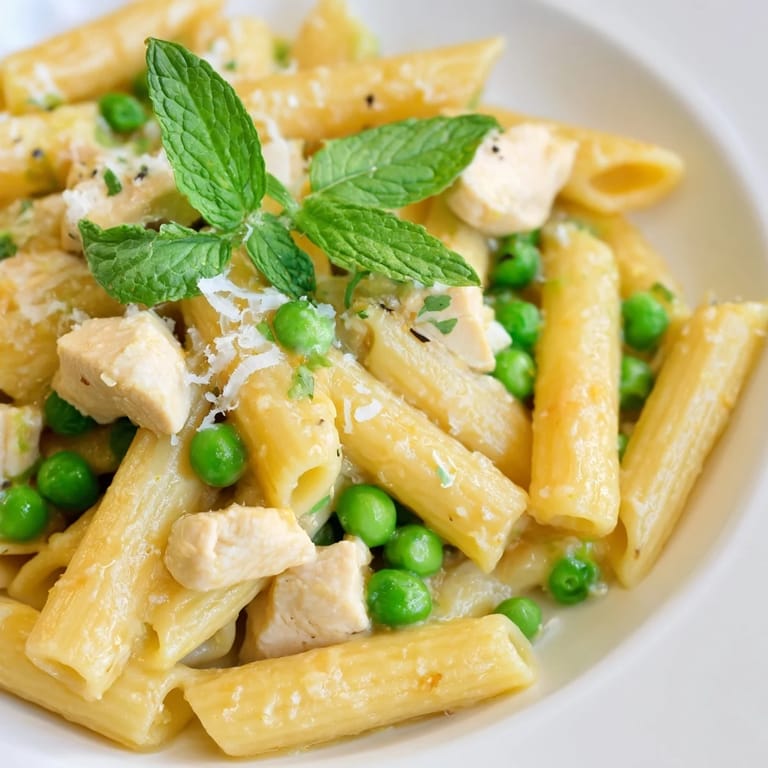
- Serve immediately with extra Parmesan and a few fresh mint leaves on top
 Save to Pinterest
 My daughter now asks for this on her birthday instead of the more elaborate dishes I used to make. There is something about the simplicity that feels like a warm hug, and I have learned that sometimes the most uncomplicated recipes become the ones that weave themselves into your family story.
Making It Vegetarian
I have made this for vegetarian friends using sautéed mushrooms or zucchini instead of chicken. The earthiness of mushrooms pairs surprisingly well with the bright mint and lemon, creating a completely different but equally satisfying experience.
Heat It Up
Some nights I crave a little warmth and a pinch of red pepper flakes added with the garlic transforms this into something entirely different. The gentle heat lingers at the back of your throat without overwhelming the delicate fresh flavors.
Wine Pairings
A crisp Sauvignon Blanc cuts through the butter beautifully while Pinot Grigio complements the herbs. I have also found that a dry rosé works wonderfully, especially if you are serving this on a patio somewhere.
- Chill your wine glasses for 15 minutes before serving
- Consider serving with a simple green salad dressed with vinaigrette
- Crusty bread for sopping up extra sauce is never a bad idea
 Save to Pinterest
 This pasta reminds me that good food does not need to be complicated to be memorable. Sometimes fresh ingredients and a little thoughtfulness are all you need to create something worth gathering around.
Recipe FAQs
- → Can I prepare this dish ahead of time?
This pasta is best served immediately for optimal texture and flavor. However, you can prepare the components separately and assemble just before serving. Store cooked chicken and sauce in separate containers for up to 2 days.
- → What pasta shapes work best for this dish?
Penne and fusilli are ideal choices as they trap the lemon-butter sauce in their ridges and spirals. Fettuccine or tagliatelle also work well for a more elegant presentation.
- → How can I make this vegetarian?
Replace chicken with sautéed mushrooms, zucchini, or chickpeas. Increase cooking time slightly if using fresh vegetables, and ensure your pasta contains no eggs if following a strict vegan diet.
- → Can I use fresh peas instead of frozen?
Yes, fresh peas work wonderfully. Use about 1 cup shelled fresh peas and cook for 3-4 minutes until tender. Peak season spring peas will provide superior flavor and texture.
- → What wine pairs well with this dish?
Crisp white wines complement the bright lemon and mint flavors beautifully. Sauvignon Blanc and Pinot Grigio are excellent choices that enhance the fresh, herbaceous character of the dish.
- → How do I adjust the sauce consistency?
Reserved pasta water is your secret weapon for controlling sauce thickness. Add gradually to achieve your preferred consistency—more water for a lighter sauce, less for something richer and more coating.