 Save to Pinterest
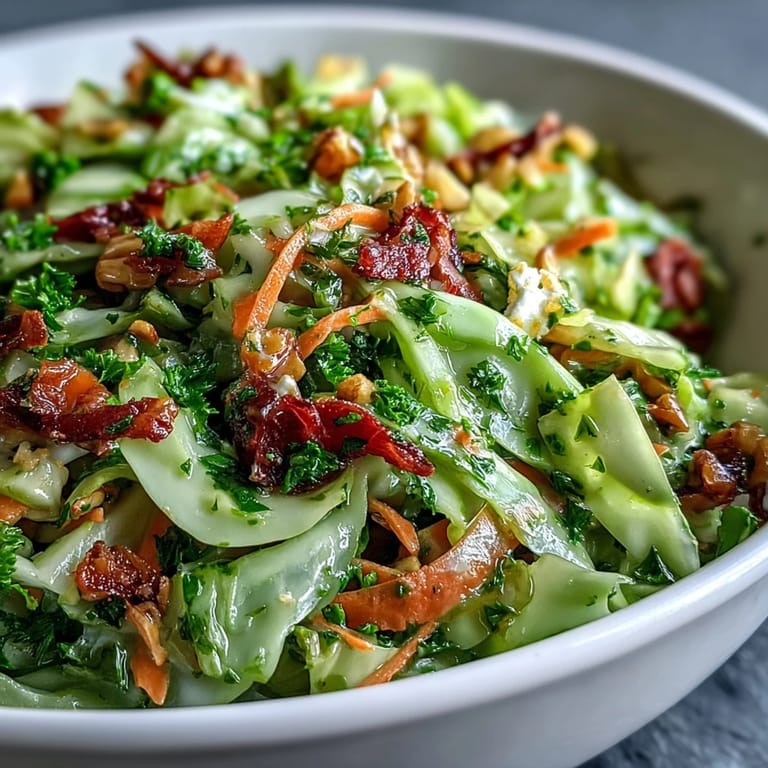
 Last spring, I was stuck in a cooking rut, making the same salads on repeat until a farmers market vendor practically shoved a massive head of cabbage into my hands and said, "Trust me, cook it." I was skeptical—cabbage felt like something to shred raw and forget about—but that warm, slightly caramelized sweetness that emerged from the skillet changed everything. Now it's become the salad I reach for when I want something that feels both comforting and bright, a dish that somehow tastes better warm than any iceberg-based creation ever could.
I made this for my in-laws last summer, and my mother-in-law, who typically doesn't engage much with vegetables, went back for seconds and asked for the recipe—something that had never happened before. Watching someone genuinely surprised by cabbage was oddly rewarding, and it reminded me that the simplest ingredients, when treated with a little intention, can become memorable.
Ingredients
- 1 medium green cabbage (about 900 g), cored and thinly sliced: The star of the show—look for one that feels dense and has vibrant color, which usually means it's been stored well and will have better texture.
- 1 large carrot, peeled and julienned: This adds natural sweetness and a delicate crunch that contrasts beautifully with the tender cabbage.
- 1 small red onion, thinly sliced: Raw onion brings a sharp, peppery bite that balances the warmth of the sautéed elements.
- 1 red bell pepper, thinly sliced: Adds color, slight sweetness, and enough structure to keep the salad from feeling mushy.
- 2 tbsp fresh parsley, chopped: Don't skip this—it brightens the whole dish and adds a herbaceous freshness that ties everything together.
- 3 tbsp extra-virgin olive oil: Use one you actually like tasting, since it anchors the dressing and its flavor matters here.
- 2 tbsp apple cider vinegar: The acidity cuts through the richness and enhances the warm, slightly caramelized cabbage flavor.
- 1 tbsp Dijon mustard: Acts as an emulsifier and adds subtle depth without making the dressing taste overtly mustard-y.
- 1 tsp honey (or maple syrup for vegan option): Rounds out the dressing with a touch of sweetness that prevents it from tasting too sharp.
- 1/2 tsp sea salt and 1/4 tsp freshly ground black pepper: Season gradually and taste as you go—the warmth of the cabbage will distribute salt differently than you might expect.
- 1/4 cup toasted walnuts or sunflower seeds (optional): Toasting them yourself makes an enormous difference in flavor and keeps them from tasting stale.
- 30 g feta cheese, crumbled (optional): The tang complements the warm vegetables, though the salad stands beautifully on its own without it.
Tired of Takeout? 🥡
Get 10 meals you can make faster than delivery arrives. Seriously.
One email. No spam. Unsubscribe anytime.
Instructions
- Get your skillet ready and heat the oil:
- Pour 1 tablespoon of olive oil into a large skillet and let it heat over medium-high until it shimmers slightly—you'll see the oil start to move easily across the pan. This takes about a minute, and rushing it means the cabbage will steam instead of sauté.
- Sauté the cabbage until it softens:
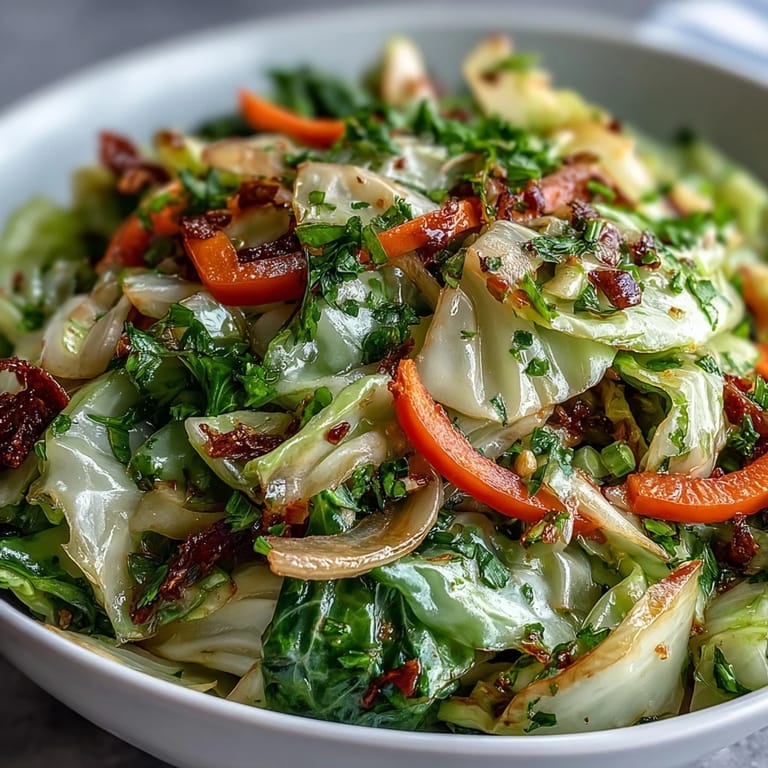
- Add your thinly sliced cabbage to the hot oil and stir frequently for 4–5 minutes, listening for that gentle sizzle and watching the edges turn golden. You want the cabbage to be tender but still bright green, not floppy or dull, which is the sweet spot between raw and overdone.
- Transfer the cabbage to a mixing bowl:
- Remove it from the heat while it still has a little firmness—it will continue to soften slightly from residual heat. This is the moment to appreciate that smell, which is almost caramel-like if you've done it right.
- Add the fresh vegetables to the warm cabbage:
- Toss in the julienned carrot, sliced red onion, bell pepper, and chopped parsley, mixing gently so everything gets acquainted while the cabbage is still warm. The warmth will very slightly soften the raw vegetables without cooking them, which is exactly what we want.
- Whisk together the dressing components:
- In a small bowl, combine the remaining 2 tablespoons of olive oil, apple cider vinegar, Dijon mustard, honey, salt, and pepper, whisking until the mixture becomes creamy and unified rather than separated. The mustard does most of the work here, acting as an emulsifier to keep everything bound together.
- Pour the dressing over the vegetables and toss:
- Drizzle the dressing over your warm salad and toss thoroughly, making sure every piece of cabbage and vegetable gets coated. This is also when you can taste and adjust the seasoning if needed—add a pinch more salt or vinegar if something feels flat.
- Let the salad rest for 5 minutes:
- This waiting period allows the flavors to meld and the dressing to fully penetrate the vegetables, making each bite cohesive rather than just a collection of separate tastes. Use this time to clean your bowls or grab a plate.
- Top and serve:
- If using walnuts, sunflower seeds, or feta, add them just before serving so they don't get soggy. Serve the salad warm or at room temperature, depending on your mood and the weather.
 Save to Pinterest
 There's something almost meditative about standing at the stove, stirring warm cabbage and listening to it release that sweet, almost nutty aroma, knowing that in a few minutes you'll have a complete meal that feels both nourishing and indulgent. It's become my go-to dish when I want to feel like I've cooked something special without spending hours in the kitchen.
The Science Behind Sautéing Cabbage
When you heat cabbage over direct flame, its natural sugars caramelize slightly, shifting the flavor from sharp and slightly sulfurous to mellow and almost sweet. This transformation happens quickly—usually within 4–5 minutes—which is why timing matters so much. The heat also breaks down the cellulose in the cabbage leaves, making them tender enough to eat without resistance, whereas raw cabbage demands chewing and can feel harsh on the palate.
Temperature and Timing: Warm vs. Room Temperature
Serving this salad warm means the dressing clings to the vegetables and flavors taste more pronounced, almost like eating a light vegetable stir-fry. If you let it sit to room temperature, the flavors continue to develop and meld, creating a more unified dish, though the vegetables will be slightly softer. I've found that warm is best if you're serving it immediately alongside grilled protein, while room temperature is ideal for lunch the next day or for a lighter meal on its own.
Variations and Flavor Twists
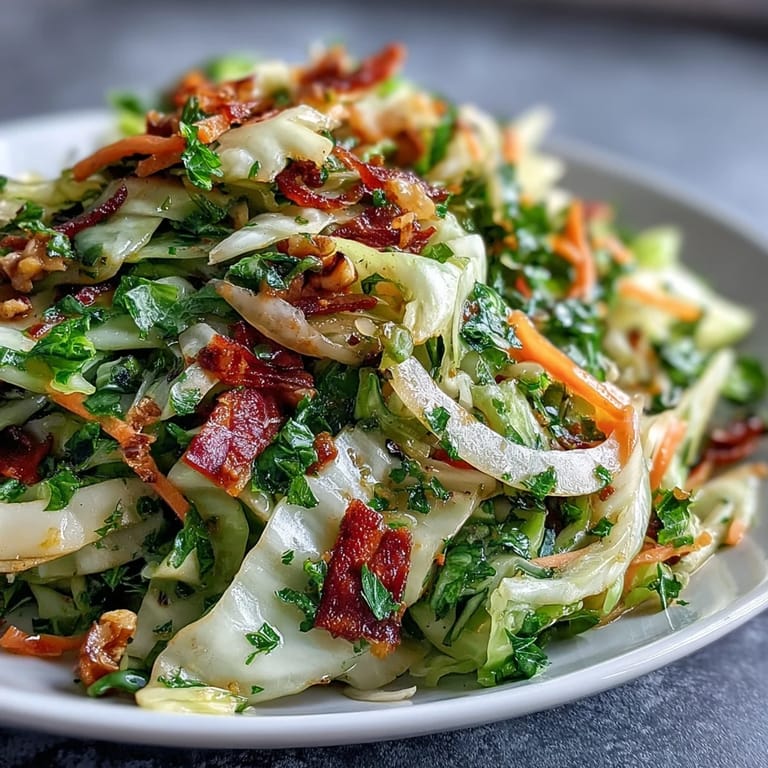
This is one of those salads that welcomes experimentation—I've added shredded apple for extra sweetness, thinly sliced radishes for peppery crunch, and once even a handful of pomegranate seeds when I wanted something more festive. The foundation of warm cabbage and tangy dressing is stable enough to support almost any vegetable you have on hand, making it endlessly adaptable to seasons and what's in your crisper drawer. The beauty is in the simplicity, so resist the urge to overthink it and trust that even small additions feel fresh rather than cluttered.
- Try adding thinly sliced radishes or shredded apple for extra crunch and subtle sweetness.
- Toss in fresh herbs like dill, basil, or cilantro if you want to shift the flavor profile entirely.
- This pairs wonderfully alongside grilled chicken, roasted salmon, or even as a side to simple grain bowls.
 Save to Pinterest
 This salad has quietly become the dish I reach for when I want to feel grounded in the kitchen—something approachable enough for a regular Tuesday but special enough to serve to guests without apology. Once you make it, it stops feeling like just another salad and becomes something you want to cook again and again.
Recipe FAQs
- → Can I serve this salad cold?
While best enjoyed warm or at room temperature, you can refrigerate leftovers for up to 2 days. Let it sit at room temperature for 15-20 minutes before serving to restore the flavors and texture.
- → What vegetables can I add?
Thinly sliced radishes, shredded apple, or shredded Brussels sprouts work wonderfully. You can also add diced cucumber or cherry tomatoes for extra freshness and crunch.
- → How do I make it fully vegan?
Replace the honey with maple syrup and omit the feta cheese topping. The remaining ingredients are naturally plant-based and the salad remains delicious without dairy.
- → Can I use red cabbage instead?
Absolutely. Red cabbage works beautifully and adds stunning color to the dish. Note that it may take slightly longer to soften and will tint the dressing slightly purple.
- → What proteins pair well?
Grilled chicken, roasted salmon, or pan-seared tofu complement the flavors perfectly. The tangy dressing cuts through rich proteins while the cabbage provides satisfying bulk.
- → Can I prepare it ahead?
You can slice the vegetables and whisk the dressing up to a day in advance. Cook the cabbage just before serving for the best texture, then combine everything warm.