 Save to Pinterest
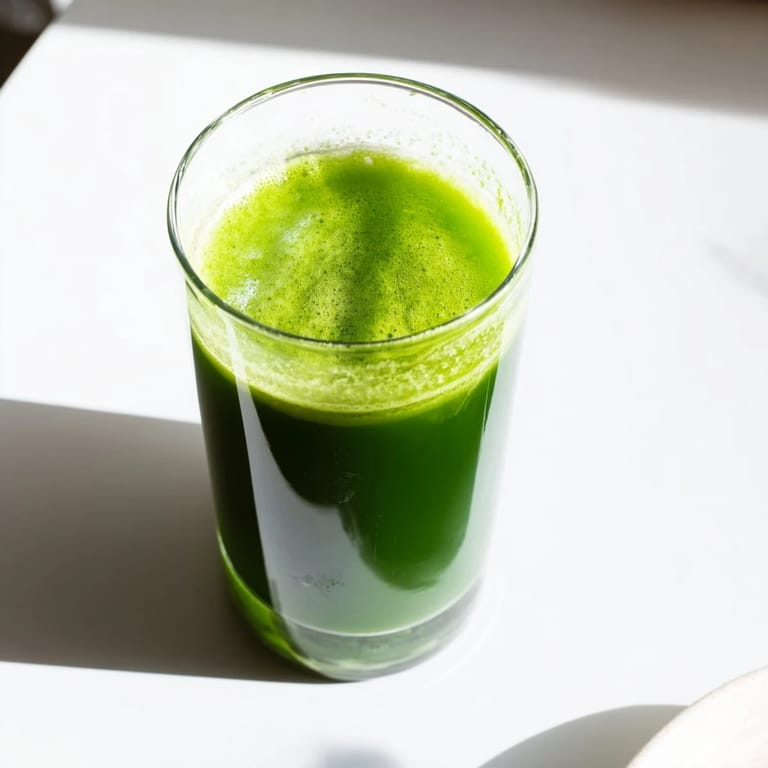
 Standing at my kitchen counter last January, feeling sluggish after holiday excess, I impulsively bought a head of cabbage and bunch of kale without any plan. The juicer sat gathering dust since my last wellness phase, but something about that crisp, purple-tinged cabbage called to me. I threw in whatever looked fresh from the crisper drawer, half-expecting a disastrous grassy concoction. Instead, this shocking bright green elixir emerged, tasting like a meadow in spring, and I felt genuinely lighter after one glass.
My skeptical roommate watched me make this for three consecutive days before finally asking for a taste. Now she requests it whenever she is feeling bloated or recovering from a weekend of indulgent meals. There is something deeply satisfying about turning humble vegetables into something that feels like such a treat.
Ingredients
- 1 cup green cabbage, chopped: The unsung hero that adds surprising sweetness and body to the juice
- 1 cup kale leaves, stems removed, chopped: Remove those tough stems first or your juice will have an unpleasant bitter edge
- 1 small cucumber, peeled and chopped: Provides essential water content and keeps everything refreshing rather than too intense
- 1 stalk celery, chopped: Adds a subtle savory backbone that balances the fruit sweetness
- 1 green apple, cored and chopped: The bridge ingredient that makes vegetable juice actually enjoyable to drink
- Juice of 1 lemon: Brightens everything and cuts through the strong cabbage flavor
- 1-inch piece fresh ginger, peeled: Start small because fresh ginger packs more heat than you expect
- 1/2 cup cold water (optional, for blending): Only needed if using a blender method instead of a juicer
Tired of Takeout? 🥡
Get 10 meals you can make faster than delivery arrives. Seriously.
One email. No spam. Unsubscribe anytime.
Instructions
- Prep your workspace:
- Wash everything thoroughly because dirt hides in those kale curls and cabbage layers
- Chop with intention:
- Cut ingredients into pieces that will fit easily through your juicer chute without forcing
- Juice method:
- Feed the softer ingredients like cucumber first, then alternate between harder vegetables and leafy greens
- Blender method:
- Add all ingredients with the water and blend until completely smooth, then strain patiently through a nut milk bag
- Drink immediately:
- Enzymes start degrading instantly, so serve over ice if you like but do not wait
 Save to Pinterest
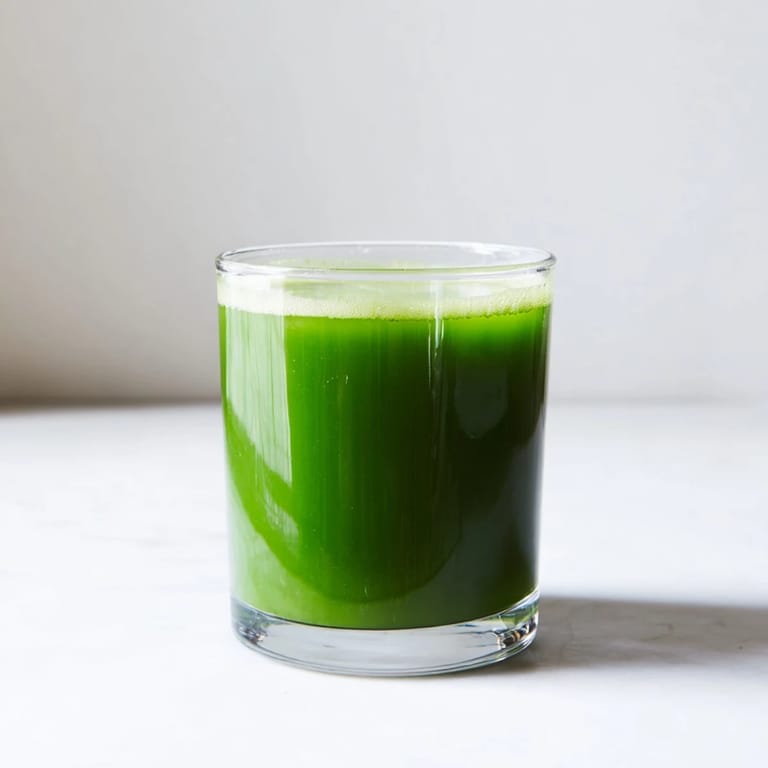
 This juice became my go-to meal replacement when I need a reset button, and somehow the simple act of making it feels like self-care. There is a quiet satisfaction in watching all those vegetables transform into something so vibrant and alive.
Getting the Right Texture
My early attempts resulted in disappointingly watery juice until I learned to layer ingredients properly. Push leafy greens through slowly, letting the harder vegetables help carry them through the juicer mechanism.
Balancing Flavors
The first time I made this without enough apple, the ginger and cabbage fought each other oddly. Now I taste the ginger juice before adding it, because some roots are surprisingly fiery.
Making It Work for Your Schedule
Prep all your vegetables the night before and store them in airtight containers for grab-and-go mornings. The texture holds up surprisingly well if you keep everything chopped and ready.
- Buy extra cabbage because it keeps for weeks and you will want to make this regularly
- Freeze any leftover juice in ice cube trays for smoothie boosters later
- Clean your juicer immediately or the pulp becomes impossible to remove
 Save to Pinterest
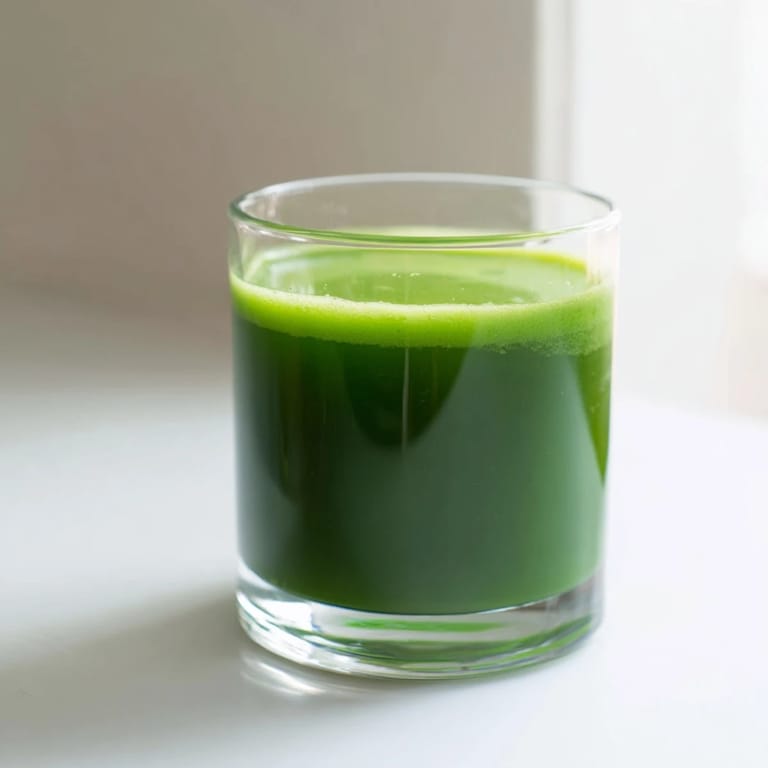
 Here is to feeling lighter and brighter, one glass at a time.
Recipe FAQs
- → Can I make this ahead of time?
For maximum nutrients, enjoy immediately. You can store in an airtight container in the refrigerator for up to 24 hours, though some separation may occur. Shake well before serving.
- → Do I need a juicer?
No, a high-powered blender works well too. Simply blend all ingredients, then strain through a fine mesh sieve or nut milk bag to remove pulp if you prefer a smoother texture.
- → Can I add other vegetables?
Absolutely. Spinach, Swiss chard, or romaine lettuce make great additions. You can also include a handful of parsley or mint for extra freshness.
- → Is this too bitter?
The green apple provides natural sweetness to balance the cruciferous vegetables. If needed, add an extra apple, half a pear, or a small amount of honey or maple syrup.
- → What can I do with the leftover pulp?
The fiber-rich pulp can be added to smoothies for extra texture, mixed into baked goods like muffins, or used as compost for your garden.