 Save to Pinterest
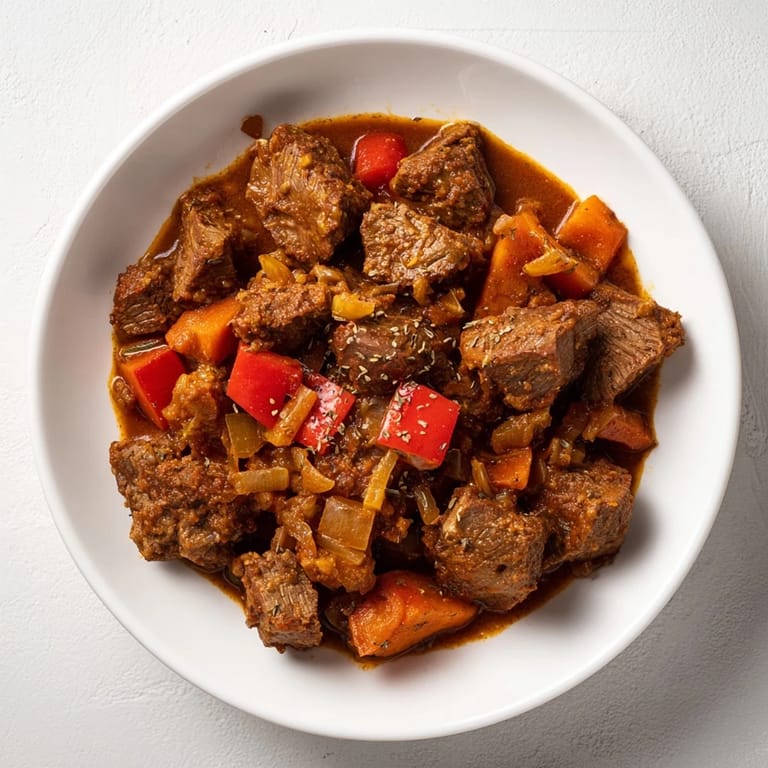
 My first real taste of Hungarian goulash came on a freezing November evening when a neighbor invited us over to her kitchen that smelled like red paprika and slow-simmered beef. She explained it wasn't fancy or complicated, just honest food meant to warm you from the inside out. That night, watching the deep crimson broth deepen as it bubbled softly on the stove, I understood why this dish has fed families through generations. Now whenever I make it, I'm transported back to her kitchen, wooden spoon in hand, learning that the best recipes are the ones that taste like home.
I made this for my partner one Saturday when we were both exhausted from the week, and neither of us had energy to think about dinner. I just threw everything into the pot in the morning before work, and by evening, when we walked through the door, the whole apartment was filled with this incredible savory warmth. We ate it straight from bowls while standing in the kitchen, and somehow that messy, simple moment felt more nourishing than any fancy meal ever could.
Ingredients
- Beef chuck (2 lbs): This cut has just enough marbling and connective tissue to become impossibly tender after two hours of gentle simmering, which is why skimping here is a mistake I only made once.
- Hungarian sweet paprika (3 tbsp): This is the soul of goulash, so buy the real thing from a proper source if you can; the difference between authentic paprika and supermarket dust is everything.
- Onions (2 large): They dissolve almost completely into the broth, creating a natural sweetness and body that no stock cube could replicate.
- Carrots (2 medium): These add subtle sweetness and stay firm enough to bite into without turning to mush.
- Red bell pepper (1 large): It brightens the deep flavors and adds a gentle sweetness that balances the earthiness of the beef.
- Garlic (2 cloves): Just enough to whisper its presence without overwhelming the paprika.
- Potatoes (2 medium): Optional but worth including if you want the stew to be more filling and substantial.
- Caraway seeds (1 tsp): A small amount adds an almost invisible complexity that people won't identify but will absolutely notice if it's missing.
- Dried marjoram (1 tsp): An underrated herb that grounds the dish in that authentic Hungarian kitchen feeling.
- Beef broth (4 cups): Use homemade if you have it, but good-quality store-bought works just fine too.
- Tomato paste (2 tbsp): It deepens the color and adds a subtle tang that keeps the stew from feeling one-dimensional.
- Oil or lard (2 tbsp): Lard is traditional and contributes to the flavor, but any neutral oil will work if that's what you have.
Tired of Takeout? 🥡
Get 10 meals you can make faster than delivery arrives. Seriously.
One email. No spam. Unsubscribe anytime.
Instructions
- Soften the base:
- Heat your oil in a large heavy pot over medium heat and add the chopped onions. You'll want to watch them turn from raw white to golden and soft, which takes about eight minutes, and smells absolutely wonderful. This step builds the foundation of everything, so don't rush it.
- Wake up the garlic:
- Add the minced garlic and let it cook just until fragrant, about a minute. You'll know it's ready when the smell stops being sharp and becomes warm and inviting.
- Brown the meat:
- Add the beef cubes and let them sit undisturbed for a couple of minutes before stirring, so they develop a brown crust on all sides. This takes about five minutes total and creates flavor through caramelization, which is worth the patience.
- Toast the paprika:
- Sprinkle the paprika over the meat and onions and stir quickly and constantly for just about a minute. This prevents it from burning and intensifies its flavor, transforming it from a powder into something much deeper and more complex.
- Build the flavor layers:
- Stir in the tomato paste, caraway seeds, marjoram, black pepper, and salt, mixing everything so it coats the meat. You're creating a flavor base that will infuse the entire stew as it cooks.
- Add the vegetables and aromatics:
- Toss in the carrots, bell pepper, and bay leaf, stirring well so everything mingles. These vegetables will soften and their sweetness will balance the earthiness of the beef.
- Pour and scrape:
- Add the beef broth, making sure to scrape up all those caramelized bits stuck to the bottom of the pot because they're pure flavor. Bring everything to a gentle simmer.
- First simmer:
- Cover the pot and reduce the heat to low, letting it bubble gently for one hour with an occasional stir. The steam trapped inside is doing the work of breaking down the beef into tender submission.
- Add the final players:
- If using potatoes, add them now and continue simmering uncovered for another forty-five to sixty minutes, until both the beef and vegetables are completely tender and the broth has thickened slightly. The uncovered simmer lets some liquid evaporate and concentrates the flavors.
- Finish and taste:
- Remove from heat, discard the bay leaf, and taste for seasoning, adding more salt if needed. This moment is when you can adjust everything to your preference.
 Save to Pinterest
 I learned the real meaning of this dish when my grandmother took me to Budapest and we sat in a small restaurant where everyone, from teenagers to grandparents, was eating goulash together. The server told me they made it fresh every morning and had been for thirty years, and suddenly I understood that this wasn't just dinner, it was a tradition someone chose to honor every single day.
Serving Suggestions
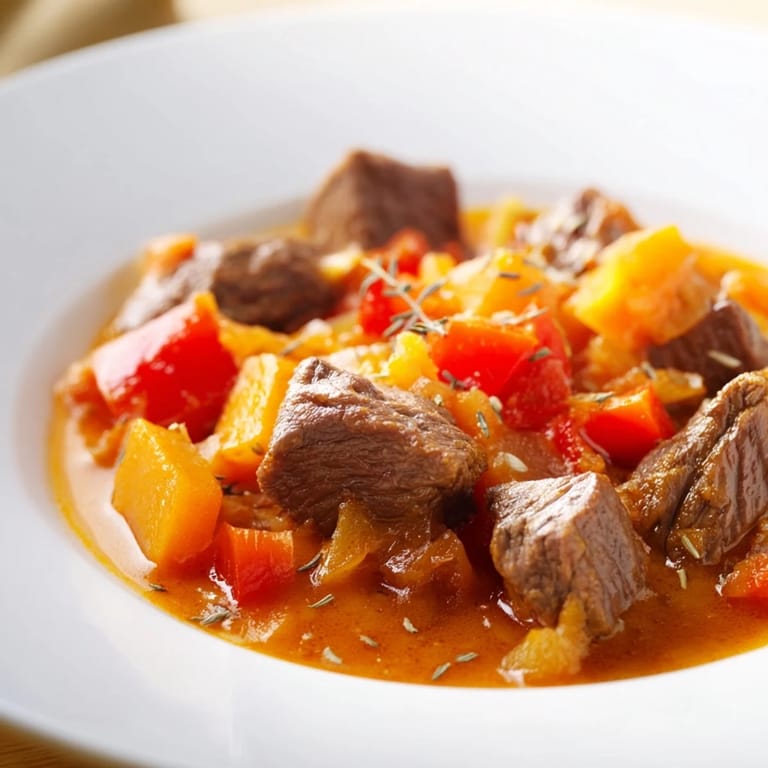
Goulash is flexible and forgiving about what you serve alongside it. I've had it with crusty bread soaked in the broth, over egg noodles that catch the sauce, and once with traditional csipetke dumplings that someone brought to a potluck. The stew itself is hearty enough to be the main event, so don't feel pressured to add side dishes unless you want them.
Storage and Leftovers
This is one of those rare dishes that improves with time, as the flavors deepen and meld overnight. Store it in an airtight container in the refrigerator for up to four days, or freeze it for up to three months in portions. To reheat, thaw overnight if frozen, then warm gently on the stove with a splash of broth if it's thickened too much.
Variations and Adjustments
Once you've mastered the basic version, you can play with it. I've added a pinch of hot paprika for extra heat, which transforms the whole character of the dish, or sometimes thrown in a small chili pepper if I want something with more kick. Some people add a dollop of sour cream at the end, which is wonderful if you can have dairy, and there's no shame in adapting recipes to what you have and what you love.
- For heat, add a pinch of hot paprika or a small chopped chili pepper with the sweet paprika.
- If you want it richer, stir in a bit of sour cream or full-fat yogurt just before serving, though this takes it out of dairy-free territory.
- You can substitute the potatoes with other vegetables like parsnips or celery root if you want something different.
 Save to Pinterest
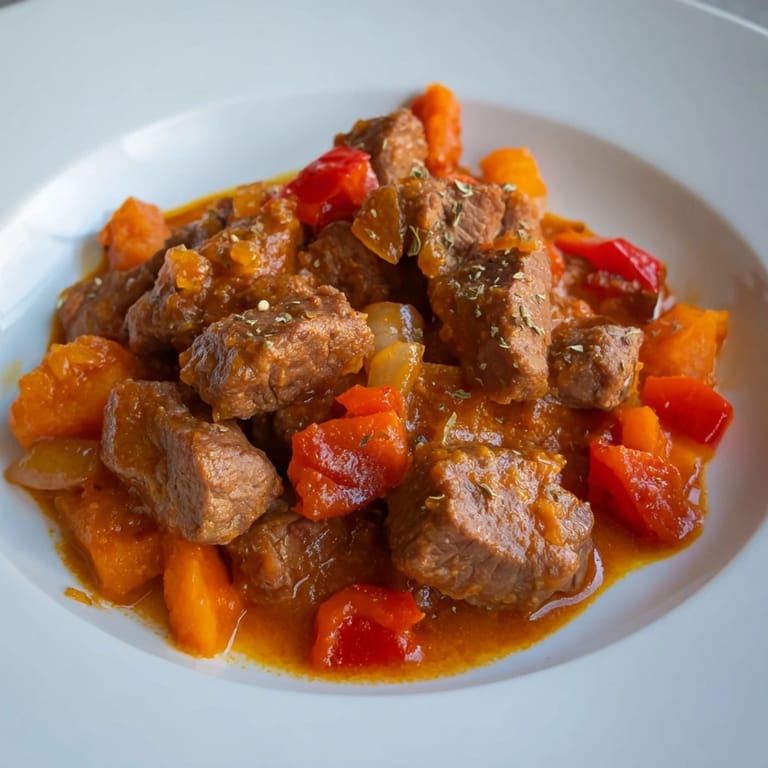
 Every time I make goulash, it brings me back to that November kitchen and reminds me that the best dishes are the ones that connect us to people and places we love. It's honest food that asks very little of you and gives back everything.
Recipe FAQs
- → What cut of beef works best for this goulash?
Beef chuck is ideal because it becomes tender and flavorful after slow simmering.
- → How does sweet paprika influence the dish?
Sweet paprika imparts a warm, earthy sweetness that defines the signature Hungarian flavor.
- → Can I add other vegetables besides those listed?
Yes, potatoes, parsnips, or celery can be added for additional texture and flavor.
- → What is the best way to thicken the stew naturally?
Simmering uncovered towards the end helps reduce liquid and concentrate flavors, naturally thickening the stew.
- → Are there traditional side dishes to accompany this meal?
Rustic bread, egg noodles, or Hungarian csipetke dumplings complement the stew well.
- → Can the dish be made spicier?
Adding hot paprika or a chopped chili elevates the heat while keeping the flavors balanced.