 Save to Pinterest
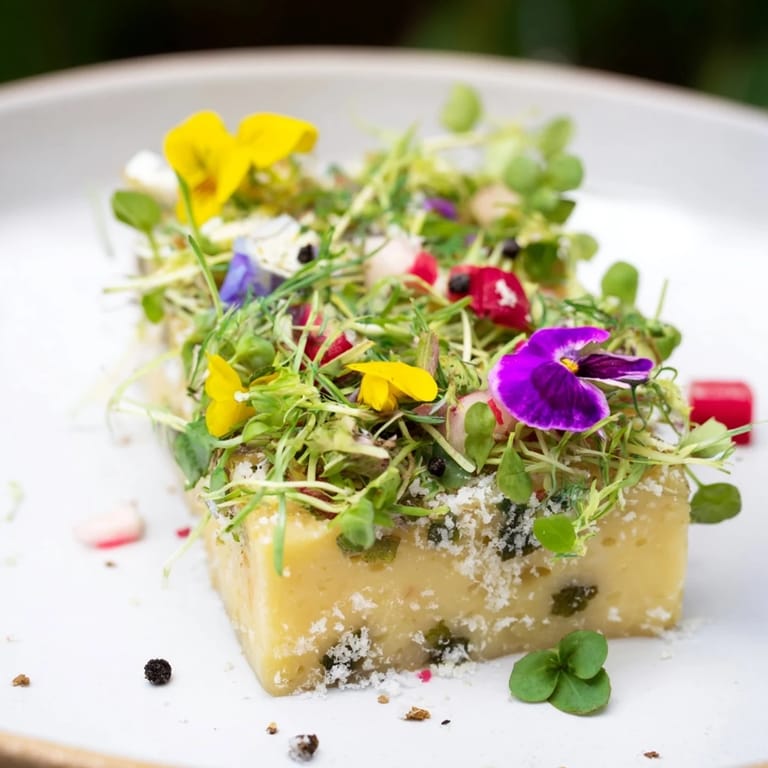
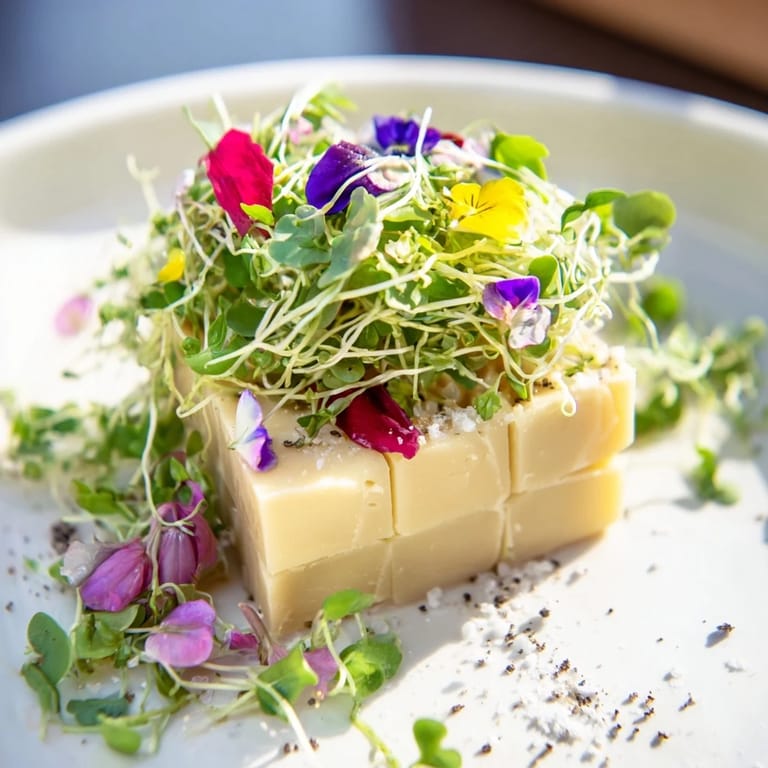
 There's something magical about watching a guest's face light up when they discover a hidden cube of sharp cheddar beneath a tangle of pea shoots. I stumbled onto this idea while reorganizing my refrigerator one evening—a handful of microgreens, some edible flowers I'd impulse-bought at the market, and three types of cheese all calling for attention at once. Instead of serving them separately, I decided to play with the idea of a garden you could actually eat, where the treasure hunt was half the fun. That night, the appetizer became the main conversation piece, and not a single cheese cube survived to see dessert.
I served this at a summer dinner party when a friend arrived with three types of cheese from a farmers market visit, and we both joked about having too many options. Instead of pairing them with crackers like usual, I remembered some edible flowers sitting in my pantry and decided right then to break the mold. Watching everyone lean in with curiosity before breaking into laughter as they searched for cheese changed how I think about presenting food—sometimes the best moments come from embracing a little playful chaos.
Ingredients
- Aged cheddar, 100 g cubed: This is your anchor cheese—sharp, complex, and it holds its own against the delicate flowers and greens, so don't skip it for milder alternatives.
- Goat cheese, 100 g cubed: The creamy, tangy contrast here is essential; it's softer than the others, so cube it gently to keep it from crumbling completely.
- Gruyère, 100 g cubed: This brings a subtle nuttiness that bridges the sharpness and creaminess, making the trio feel intentional rather than random.
- Microgreens (pea shoots, radish greens, or mixed), 75 g: These are your camouflage and your crunch—buy them fresh the day of serving for the peppery bite and tender texture.
- Edible flowers (nasturtiums, pansies, violets, borage, calendula), 1 cup: Source these from a farmers market or specialty grocer where you can confirm they're pesticide-free; they're not just pretty, they add delicate, sometimes peppery or slightly sweet flavors.
- Extra virgin olive oil, 1 tbsp (optional): A drizzle adds richness and helps the microgreens glisten, but only if your board feels too dry.
- Flaky sea salt and freshly ground black pepper, to taste: These are your final touch—season just before serving so the salt doesn't wilt the delicate greens.
Tired of Takeout? 🥡
Get 10 meals you can make faster than delivery arrives. Seriously.
One email. No spam. Unsubscribe anytime.
Instructions
- Map out your cheese landscape:
- Arrange the three types of cheese across your board with intention—cluster each type slightly, leaving negative space between them so guests can move around the board without creating a cheese smash. Think of it less like a pattern and more like inviting people to explore.
- Create the green base:
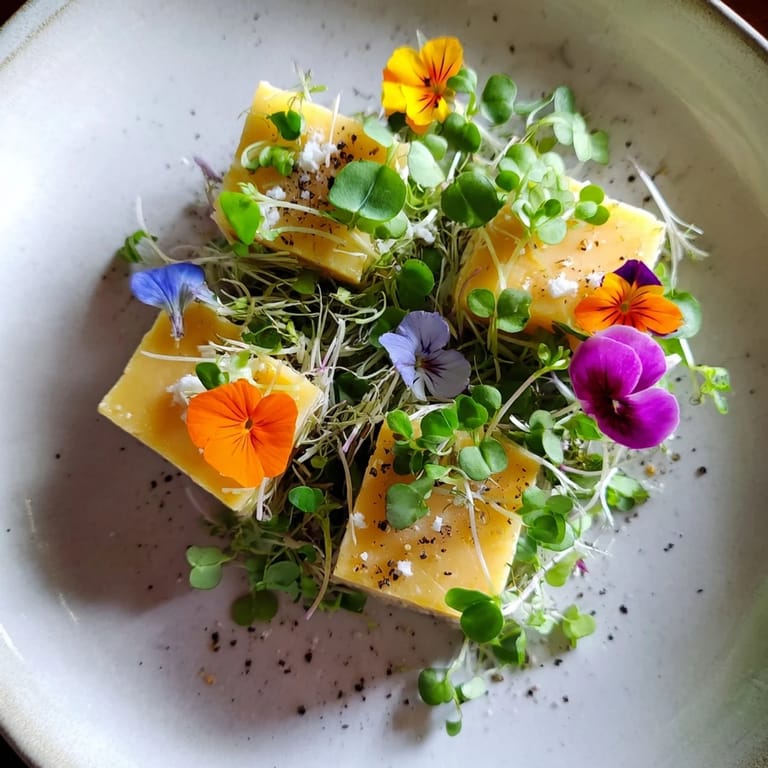
- Scatter microgreens generously, letting them fall naturally rather than arranging them perfectly; they should partially hide the cheese, peeking out just enough to make the hunt feel genuine rather than too easy.
- Tuck flowers into the landscape:
- Gently nestle edible flowers among the microgreens, turning your board into a living garden that's as beautiful to look at as it is to eat. Pay attention to color balance so no one corner looks bare.
- Finish with oil and seasoning:
- If using oil, drizzle it lightly—you want just enough to make things glisten without making the flowers wilt or become limp. Season with a careful hand right before serving so the salt and pepper stay visible and don't get lost in the greens.
 Save to Pinterest
 The real magic happened when my mother, who usually hovers over food with some skepticism, dove into the board with her hands like a kid hunting for Easter eggs. In that moment, I realized this dish isn't about fancy presentation or high-end ingredients—it's about giving people permission to play with their food, to slow down and enjoy the hunt.
Sourcing Your Cheeses Wisely
Don't feel locked into these three cheeses; the magic is in the contrast. I've substituted Manchego for a sharper, more crystalline bite, or swapped goat cheese for a creamy burrata when I wanted richness. The rule is simple: choose cheeses with different textures and intensity so that discovering each type feels like a new surprise. Visit a proper cheese counter if you can and ask the person behind it what they'd recommend for texture variety; they'll often point you toward combinations you wouldn't have thought of.
The Flower-Forward Approach
Edible flowers aren't just decoration—they're flavor. Nasturtiums have a peppery edge, pansies are mild and slightly sweet, and borage brings a subtle cucumber-like freshness. If you've never worked with edible flowers, start with one type you can easily source locally, then expand next time. The moment you taste how a single violet can change the way a cheese cube tastes, you'll understand why this board works so well.
Serving and Pairing Suggestions
This dish is happiest when shared slowly—pour a crisp white wine or sparkling rosé and let people graze as conversation flows. The beauty is that there's no rush, no fork and knife required, just hands and curiosity. For texture contrast, thinly sliced radishes or cool cucumber rounds are wonderful additions if you want to add crunch, and they fit the garden theme perfectly.
- Pair with a Sauvignon Blanc or Pinot Grigio to echo the freshness of the microgreens and flowers.
- Keep the board cool by placing it on a larger platter filled with ice underneath if you're serving outdoors on a warm day.
- Encourage guests to taste the flowers and greens on their own before combining them with cheese—it helps them appreciate each element.
 Save to Pinterest
 This recipe taught me that elegance doesn't require heat or complexity, just intention and curiosity. Every time you make it, it becomes something new.
Recipe FAQs
- → What cheeses work best for this garden appetizer?
Aged cheddar, goat cheese, and Gruyère provide a balanced mix of sharp and creamy flavors that complement the fresh microgreens and flowers.
- → Can I substitute the edible flowers with something else?
Using pesticide-free, edible flowers is key for the garden aesthetic and subtle floral notes; however, fresh herbs like basil or mint can be alternatives.
- → How should I serve this appetizer?
Arrange the cheese cubes on a large platter, scatter microgreens and flowers on top, drizzle optional olive oil, season lightly, and serve immediately for best freshness.
- → Are there any allergy concerns to keep in mind?
Ensure that all flowers and microgreens are safe to consume and sourced responsibly. The dish contains dairy from the cheeses.
- → What drinks pair well with this dish?
Crisp white wines or sparkling rosé complement the creamy cheeses and fresh greens nicely.
- → Can this be prepared ahead of time?
For optimal freshness and visual appeal, assemble just before serving. Preparing ingredients in advance is fine but keep them chilled.