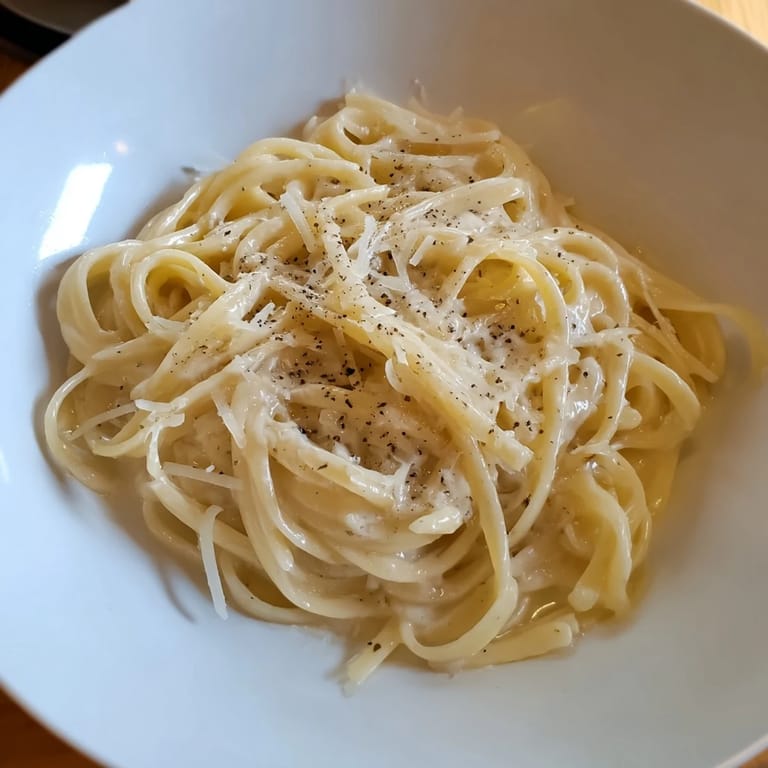
 Save to Pinterest
 There's a particular kind of peace that comes from standing in front of your pantry with nothing but butter, cheese, and dry pasta, knowing you're about to make something that tastes far more impressive than it has any right to. I discovered this dish on a Tuesday night when my fridge felt empty and my energy was lower, and somehow those three humble ingredients transformed into something so silky and satisfying that I've made it dozens of times since. The magic isn't in complexity—it's in understanding that pasta water is liquid gold, that butter and cheese aren't just toppings but the foundation of actual magic, and that sometimes the best meals are the ones that don't demand much from us.
My partner walked into the kitchen while I was mid-toss one evening and asked what restaurant I'd ordered from because the kitchen smelled too good for something that took five minutes. That moment, watching their skepticism turn to genuine surprise with the first bite, made me realize this wasn't just a lazy dinner solution—it was the kind of dish that proves elegance and effort aren't always connected.
Ingredients
- Dried pasta (200 g): Spaghetti, linguine, or fettuccine all work beautifully here—choose whichever you have or prefer, but longer, thinner shapes tend to hold the sauce better than chunky cuts.
- Unsalted butter (50 g): This is your base, so use good butter if you can; the difference between mediocre and excellent becomes obvious in a sauce this simple.
- Freshly grated Parmesan (60 g): Pre-grated cheese has anti-caking agents that can make the sauce grainy, so if you can find a wedge and grate it yourself, do—your pasta will thank you.
- Salt and black pepper: Season as you go; you'll want to taste multiple times since the pasta water adds its own salty edge.
Tired of Takeout? 🥡
Get 10 meals you can make faster than delivery arrives. Seriously.
One email. No spam. Unsubscribe anytime.
Instructions
- Boil the pasta until it's just shy of soft:
- Fill a large pot with water, salt it generously (it should taste like seawater), and bring it to a rolling boil before adding the pasta. Cook to al dente according to the package—this usually means 9 to 12 minutes depending on the shape, but taste it a minute before the suggested time so you catch it before it gets mushy.
- Save the liquid gold:
- Before you drain the pasta, scoop out about 150 ml of the cooking water and set it aside in a measuring cup. This starchy, slightly salty water is what transforms butter and cheese from a coating into an actual sauce.
- Build the sauce off the heat:
- Return the drained, hot pasta to the pot and immediately take it off the heat. Add the butter in one piece and toss constantly until it melts into every strand, which takes about a minute if your pasta is hot enough.
- Add cheese and water in stages:
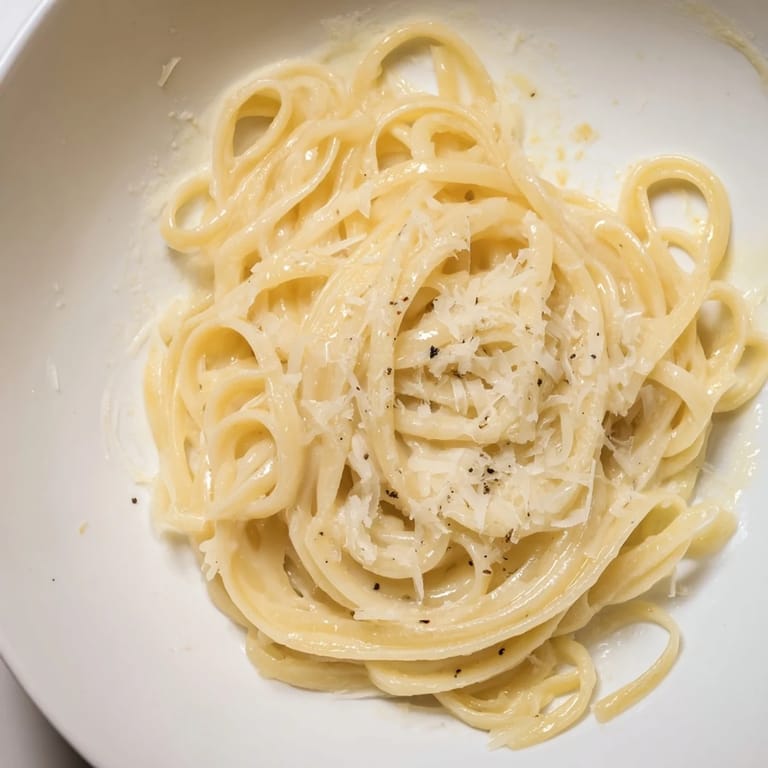
- Sprinkle the Parmesan over the buttery pasta and pour in about 60 ml of that reserved water, then toss vigorously for 30 to 45 seconds. You're looking for a creamy coating—if it looks dry, add more water a splash at a time until it flows like silk.
- Taste and finish:
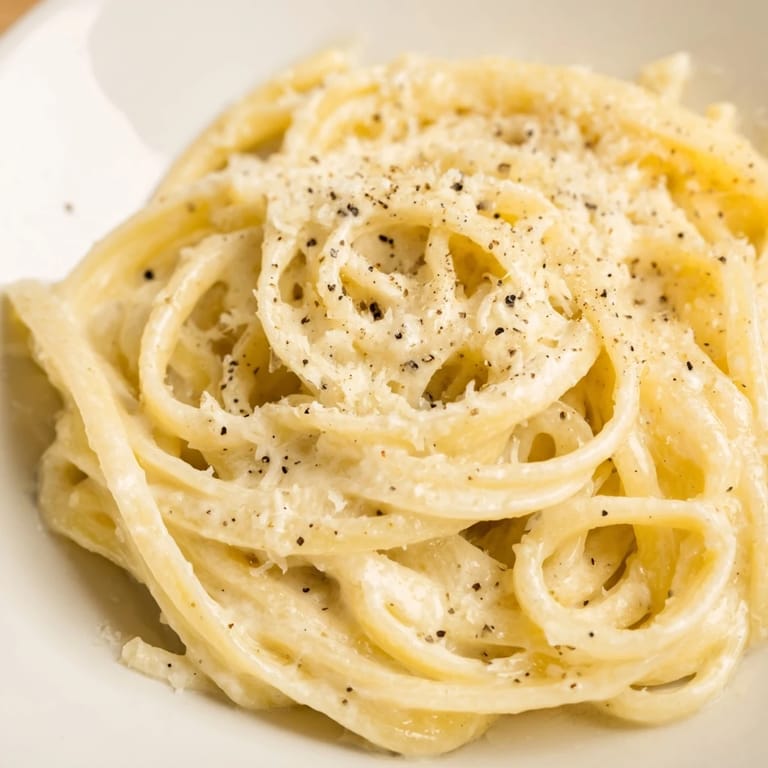
- Add a pinch of black pepper, taste it, and adjust the salt if needed. The moment it's creamy and coats each strand, plate it immediately while it's still hot and glossy.
 Save to Pinterest
 There was a moment, maybe my fifth time making this, when I finally stopped second-guessing myself and trusted the process completely. That's when I realized this dish isn't lazy at all—it's confidence, stripped down to its essence.
The Power of Restraint
Cooking for years teaches you that more ingredients don't equal better food, but this dish proves it to you in the span of 17 minutes. When you remove everything except what actually matters, you're forced to respect each ingredient and execute each step with intention. There's a joy in that simplicity that you don't find in recipes that hide behind complexity.
Why Pasta Water Changes Everything
The starch in pasta water acts like an invisible emulsifier, helping the fat and cheese blend into something smooth and cohesive instead of separating into greasy, gritty bits. It's one of those discoveries that sounds boring until you experience the difference, then you suddenly understand why professional cooks never drain pasta over a sink without thinking twice. Once you see it work here, you'll start using pasta water in soups, risottos, and other pasta dishes because you've learned something real about how cooking works.
Small Changes That Matter
The beauty of such a simple foundation is that small additions shine without overwhelming the dish. A whisper of nutmeg becomes a revelation, fresh herbs like parsley or basil taste brighter, and even the choice between Parmesan and Pecorino Romano shifts the entire personality of the plate. Keep the base exactly as written, but feel free to play once you understand how it works.
- A tiny pinch of nutmeg adds a depth that makes people ask what your secret ingredient is.
- Red pepper flakes wake things up if you want heat, and they pair perfectly with the richness.
- Grated lemon zest stirred in at the end adds brightness without adding moisture.
 Save to Pinterest
 This is the meal that taught me that cooking doesn't require apologies or excuses, and that feeding yourself and others well doesn't demand hours or a shopping list the length of your arm. Make it when you need comfort, make it when you're exhausted, make it because it's honestly delicious.
Recipe FAQs
- → What type of pasta works best for this dish?
Long strands like spaghetti, linguine, or fettuccine hold the creamy sauce beautifully, but feel free to use your preferred pasta shape.
- → How does reserved pasta water affect the sauce?
The starchy pasta water helps emulsify the butter and cheese, creating a silky, cohesive sauce that clings to the noodles.
- → Can I use substitutes for Parmesan cheese?
Pecorino Romano is a great alternative, offering a sharper flavor while maintaining the sauce's creamy texture.
- → Is it possible to prepare this dish gluten-free?
Yes, simply swap regular pasta with a gluten-free variety to accommodate dietary needs without sacrificing taste.
- → What tips ensure the sauce turns out creamy and smooth?
Mix the butter and cheese into the hot pasta off heat, gradually adding pasta water while tossing to achieve a luscious, creamy consistency.