 Save to Pinterest
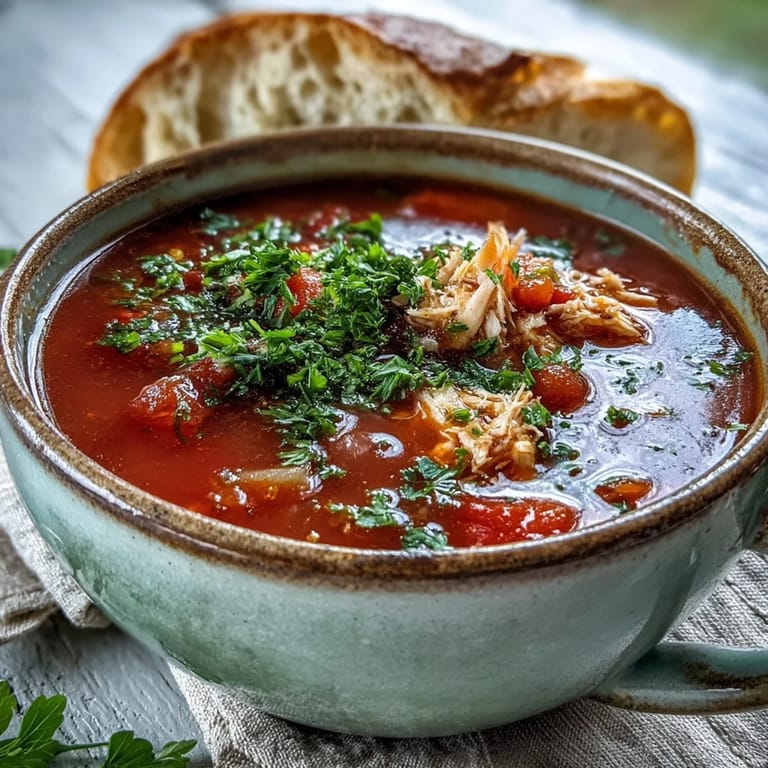
 There's something almost magical about how quickly this soup comes together on a Tuesday evening when you've got twenty minutes and an empty stomach. I was standing in my kitchen, staring at a lonely can of tuna and some vegetables that needed rescuing, when I remembered a meal my neighbor made—humble, fragrant, completely unpretentious. That's when I realized the best meals aren't the ones that demand hours; they're the ones that prove good food speaks for itself. This soup became my weeknight answer to cravings for something warm, nourishing, and genuinely comforting.
I made this for my friend Clara on a rainy afternoon when she dropped by unannounced, slightly overwhelmed by her day. Twenty-five minutes later, we were sitting with steaming bowls, torn bread in hand, and she looked at me with genuine surprise and said, "You made this just now?" That's the moment I knew this recipe had something special—it makes you look thoughtful without requiring you to plan ahead.
Ingredients
- Tuna in olive oil (1 can, 5 oz): The oil is your friend here—drain it but don't waste it, as that's where much of the flavor lives and it contributes to the soup's richness.
- Medium onion, finely chopped: This is your aromatic foundation, so don't rush the chopping; uniform pieces cook evenly and create a smooth base.
- Garlic cloves (2), minced: Fresh garlic makes all the difference—pre-minced won't give you that same bright, sharp presence that builds as the soup simmers.
- Medium carrot, diced: Cut these into small, consistent pieces so they soften perfectly within the cooking time and distribute evenly throughout the pot.
- Celery stalk (1), diced: This adds a subtle earthiness that balances the acidity of the tomatoes beautifully.
- Canned diced tomatoes (1 can, 14 oz): Don't reach for fresh tomatoes here; canned actually work better because they're picked at peak ripeness and provide consistent texture and acidity.
- Vegetable broth (2 cups): Use good-quality broth or you'll taste the difference immediately—it's the backbone of everything, so it deserves respect.
- Tomato paste (1 tbsp): This small amount concentrates the tomato flavor without overwhelming the delicate tuna, creating depth in just minutes.
- Dried oregano (1 tsp) and dried basil (1 tsp): These herbs are essential to the Italian character of the soup; don't skip them or substitute dried for fresh at this stage.
- Crushed red pepper flakes (1/4 tsp, optional): A whisper of heat lifts everything without dominating, so add cautiously and taste as you go.
- Olive oil (2 tbsp): Use good extra-virgin oil for sautéing, as its flavor contributes to the overall taste in this simple soup.
- Fresh parsley or basil for serving: This adds brightness and a final freshness that makes the difference between good and memorable.
Tired of Takeout? 🥡
Get 10 meals you can make faster than delivery arrives. Seriously.
One email. No spam. Unsubscribe anytime.
Instructions
- Build your aromatic base:
- Heat olive oil in a large saucepan over medium heat and add the chopped onion, carrot, and celery, stirring occasionally. Let them soften for about five minutes—you're looking for them to become translucent and fragrant, not browned or caramelized.
- Wake up the garlic:
- Stir in the minced garlic and let it cook for just one minute until the kitchen fills with that unmistakable aroma. This brief moment prevents the garlic from burning while allowing its oils to infuse the oil.
- Deepen the flavor with tomato paste:
- Add the tomato paste and stir it constantly for one minute, coating it in the oil to caramelize it slightly. This concentrates the tomato flavor and removes any raw taste.
- Bring it all together:
- Pour in the canned tomatoes with their juice and the vegetable broth, then add the oregano, basil, and red pepper flakes if you're using them. Stir well to distribute the seasonings evenly throughout the liquid.
- Simmer with patience:
- Bring the soup to a gentle boil, then reduce the heat and let it simmer for eight to ten minutes until the vegetables are tender but not falling apart. The broth will deepen in color and the flavors will meld beautifully.
- Introduce the tuna gently:
- Flake the drained tuna with a fork and stir it in, simmering for just two to three minutes longer to heat it through without breaking it into tiny pieces. Tuna is delicate, so treat it with care here.
- Taste and adjust:
- Take a spoonful, blow on it to cool it, and taste thoughtfully for salt and pepper. Every broth is different, so this final seasoning step is crucial to making the soup sing.
- Serve with intention:
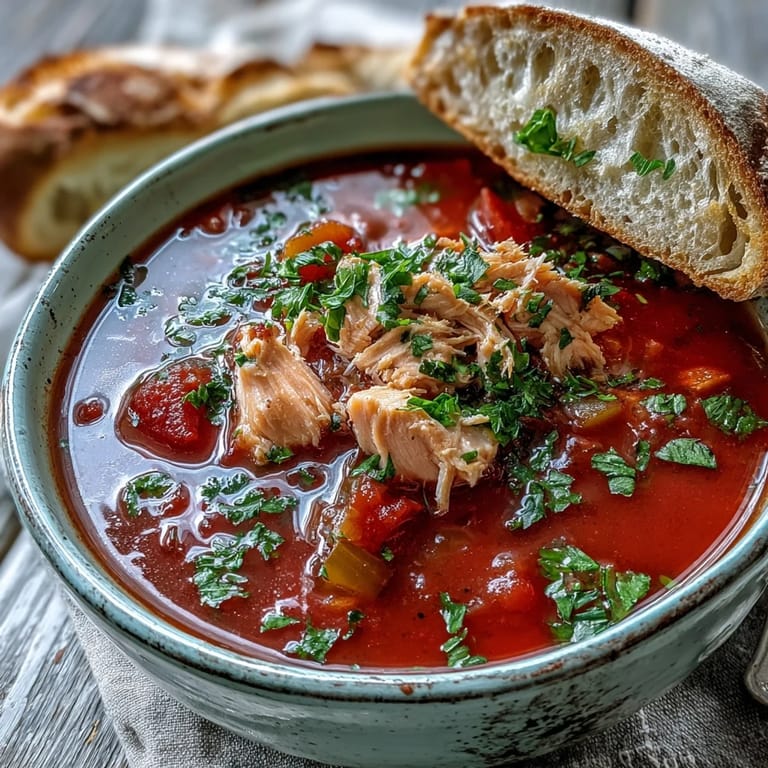
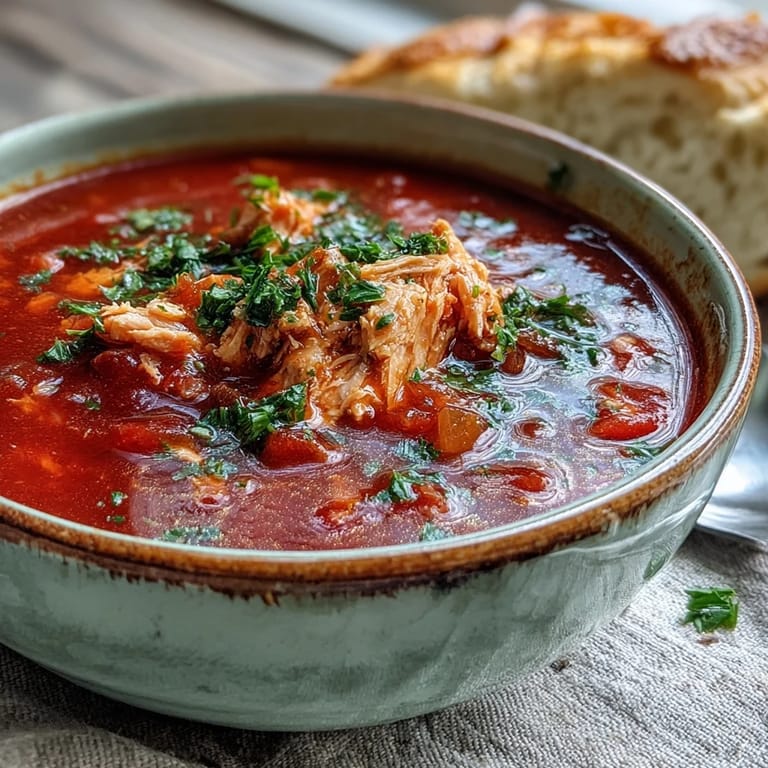
- Ladle the soup into bowls, letting each one receive a good portion of vegetables and tuna. Top with fresh parsley or basil and serve alongside crusty bread for dipping and soaking up every last drop of broth.
 Save to Pinterest
 My sister brought her two young kids over one evening, and I was nervous about serving them fish soup until I watched them polish off their bowls and ask for more. Sometimes the simplest meals reveal that food isn't about complexity—it's about honesty and warmth, and this soup has both in abundance.
The Magic of Timing
The entire beauty of this soup lives in its speed, and there's actually wisdom in that constraint. Because you're working within minutes, not hours, every ingredient must pull its weight from the moment it hits the pot. I've learned that when a recipe moves this quickly, precise technique matters more than intuition—your heat level stays moderate, your cuts stay uniform, and your attention stays sharp because you're not waiting around for things to develop.
Why Canned Tomatoes Win Here
Fresh tomatoes would break down too much in the short cooking time and wouldn't provide the acidity the soup needs to balance the richness of the tuna. Canned tomatoes, harvested at peak ripeness and processed immediately, give you consistent flavor and body without any guesswork. The liquid in the can becomes part of your broth, adding body and tomato intensity that fresh fruit simply can't match in twenty-five minutes.
Variations and Confidence
Once you've made this soup a few times, you'll feel confident improvising, which is the sign of a truly good recipe. The structure is forgiving and the formula is clear, so you can fold in small pasta shapes, stir in capers for a briny burst, or finish with a squeeze of lemon juice for brightness. It's a recipe that teaches you to trust your instincts while still delivering results when you follow it exactly.
- A splash of white wine added when you pour in the broth adds complexity and sophistication without extra time.
- Substituting chicken broth for vegetable broth shifts the flavor profile to something richer and more savory.
- Small pasta like orzo or ditalini transforms this into a heartier, more filling main course that still comes together in under thirty minutes.
 Save to Pinterest
 This soup taught me that food doesn't need to be complicated to be deeply satisfying, and that sometimes the quickest meals carry the most meaning. Make it when you need comfort without effort, and watch how something so simple becomes the meal people actually remember.
Recipe FAQs
- → What type of tuna works best?
Tuna packed in olive oil provides the richest flavor and most tender texture. If using water-packed tuna, you may want to add an extra tablespoon of olive oil to maintain the soup's luxurious mouthfeel.
- → Can I make this ahead of time?
Yes, this soup actually tastes better the next day as flavors have time to meld. Store in an airtight container in the refrigerator for up to 3 days. Reheat gently over medium-low heat, adding a splash of broth if needed.
- → What can I serve with this soup?
Crusty bread, garlic knots, or bruschetta make excellent accompaniments. For a more substantial meal, serve alongside a simple green salad dressed with olive oil and balsamic vinegar.
- → Can I freeze this soup?
This soup freezes well for up to 3 months. Let it cool completely before transferring to freezer-safe containers. Thaw overnight in the refrigerator before reheating.
- → How can I make this soup thicker?
For a heartier texture, add 1/2 cup of small pasta shapes like ditalini or orzo during the last 8 minutes of cooking. Alternatively, mash some of the tomatoes against the side of the pot to create a thicker base.