 Save to Pinterest
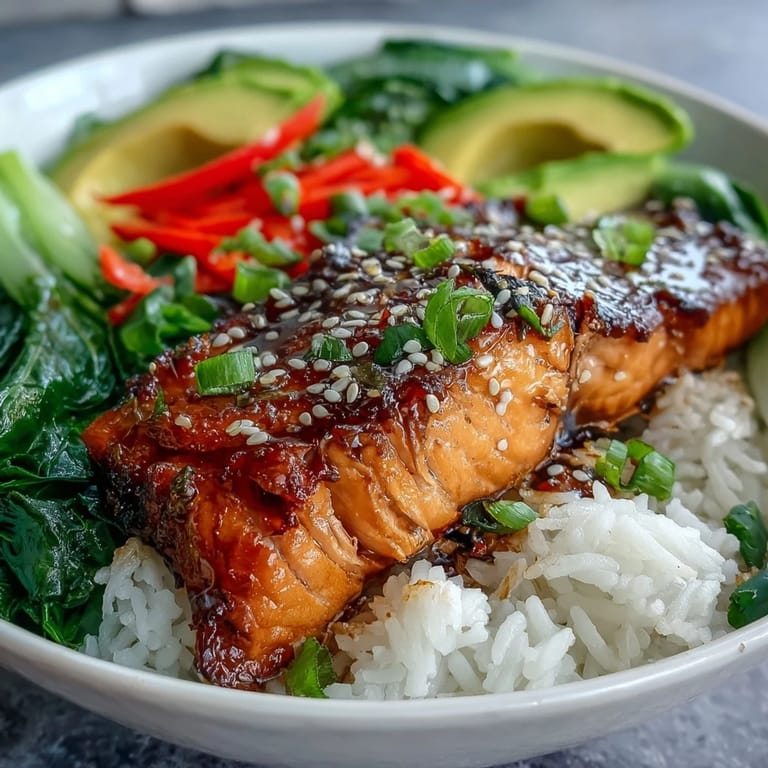
 My coworker brought this soy-ginger salmon bowl to lunch one Tuesday, and I watched her eat it with such obvious pleasure that I had to ask for the recipe immediately. She laughed and said it took her maybe 40 minutes total, which seemed impossible until I made it myself and realized how the marinade does most of the heavy lifting while you're busy with everything else. The house smelled incredible, and my partner kept wandering into the kitchen asking questions about what was cooking. That first bowl I made had undercooked rice, but the salmon was so perfectly glazed it didn't matter much. Now it's become my go-to when I want something that feels restaurant-quality but doesn't require overthinking.
I made this for my sister during her visit last spring, and she asked for seconds before finishing her first bowl, which honestly felt like the highest compliment. She's usually skeptical about seafood, but something about the balance of sweet, salty, and spicy just won her over. We ended up laughing about how we'd both been missing out on such a straightforward, satisfying meal. The kitchen felt warm and full that afternoon, and it became our routine whenever she visits now.
Ingredients
- Salmon fillets (4, about 150 g each): Look for fillets that feel firm to the touch and have a clean ocean smell, not fishy. Skin-on holds together better during cooking if you're new to this.
- Soy sauce (4 tbsp, low sodium): Low sodium gives you control over saltiness without making the final bowl taste aggressive. I learned this the hard way with regular soy sauce.
- Honey or maple syrup (2 tbsp): This sweetness balances the umami from soy and cuts through the heat beautifully. Maple syrup adds an earthiness that regular honey doesn't.
- Fresh ginger, grated (2 tbsp): Please grate it yourself if you can. The bottled stuff loses its brightness and leaves a slightly chemical aftertaste.
- Garlic cloves, minced (2): Mincing yourself versus pre-minced makes a noticeable difference in flavor intensity and freshness.
- Rice vinegar (1 tbsp): This adds brightness that cuts through the richness without overpowering anything. White vinegar is too sharp as a substitute.
- Sesame oil (1 tbsp for marinade, plus 1 tbsp for vegetables): Toasted sesame oil is non-negotiable here. It brings a nutty depth that regular oil can't touch.
- Sriracha or chili paste (1 tsp, optional): Don't skip this even if you think you don't like heat. It adds complexity more than actual spice.
- Sesame seeds (1 tbsp, plus extra for garnish): Toast them in a dry pan for 30 seconds right before using to unlock their flavor.
- Jasmine or sushi rice (2 cups uncooked): Jasmine rice stays separate and fragrant. Sushi rice is stickier, which some people prefer for bowl eating.
- Water (2 1/2 cups): Use filtered if your tap water is heavily chlorinated, as it affects taste more than you'd think.
- Edamame (1 cup, shelled): Frozen is perfectly fine and often fresher than fresh. Thaw them gently under cool running water.
- Shredded carrots (1 cup): Pre-shredded saves time, but freshly shredded tastes brighter and stays crispier longer.
- Red bell pepper (1, thinly sliced): The sweetness of red peppers complements the ginger-soy profile better than green ones.
- Baby bok choy or snap peas (1 cup, sliced): These stay crisp and tender without becoming mushy, which matters for texture contrast.
- Green onions (2, sliced thin): The white parts go in during cooking for subtle onion flavor, and the green parts finish the bowl fresh and sharp.
- Avocado (1, sliced): Add this right before serving so it doesn't oxidize and turn brown. A squeeze of lime on the slices buys you extra time.
- Fresh cilantro or microgreens: This is optional but pushes the dish from good to memorable with bright, herbal finishing notes.
- Lime wedges: Essential for squeezing over everything at the end. It brightens flavors that might feel heavy otherwise.
Tired of Takeout? 🥡
Get 10 meals you can make faster than delivery arrives. Seriously.
One email. No spam. Unsubscribe anytime.
Instructions
- Make the marinade:
- Whisk together soy sauce, honey, ginger, garlic, rice vinegar, sesame oil, and sriracha in a bowl until the honey dissolves completely. The mixture should smell like a balanced combination of all the ingredients, not dominated by any single one. Set aside 2 tablespoons in a small cup for drizzling later.
- Marinate the salmon:
- Place salmon fillets in a shallow dish or resealable bag and pour the remaining marinade over them, turning to coat all sides evenly. Refrigerate for 15 to 30 minutes. I usually start this step first so it has time to work while I prep vegetables.
- Cook the rice:
- Rinse rice under cold water until the water runs mostly clear, which removes excess starch and prevents mushiness. Combine rinsed rice, water, and a pinch of salt in a saucepan, bring to a boil, then reduce heat to low, cover, and simmer for 15 minutes until water is absorbed. Let it stand covered for 5 minutes, then fluff with a fork.
- Stir-fry the vegetables:
- While rice is cooking, heat 1 tablespoon sesame oil in a large nonstick skillet over medium-high heat until it shimmers. Add edamame, carrots, bell pepper, and bok choy, stirring constantly for 3 to 4 minutes until crisp-tender. The vegetables should still have a slight snap when you bite them, not soft.
- Sear the salmon:
- Remove salmon from marinade and discard the used marinade for food safety. Add a splash of fresh oil to the same skillet if needed and sear fillets over medium-high heat, 3 to 4 minutes per side, until cooked through and caramelized on the outside. The flesh should flake easily with a fork, and the edges might stick slightly to the pan, which creates that beautiful glaze.
- Assemble the bowls:
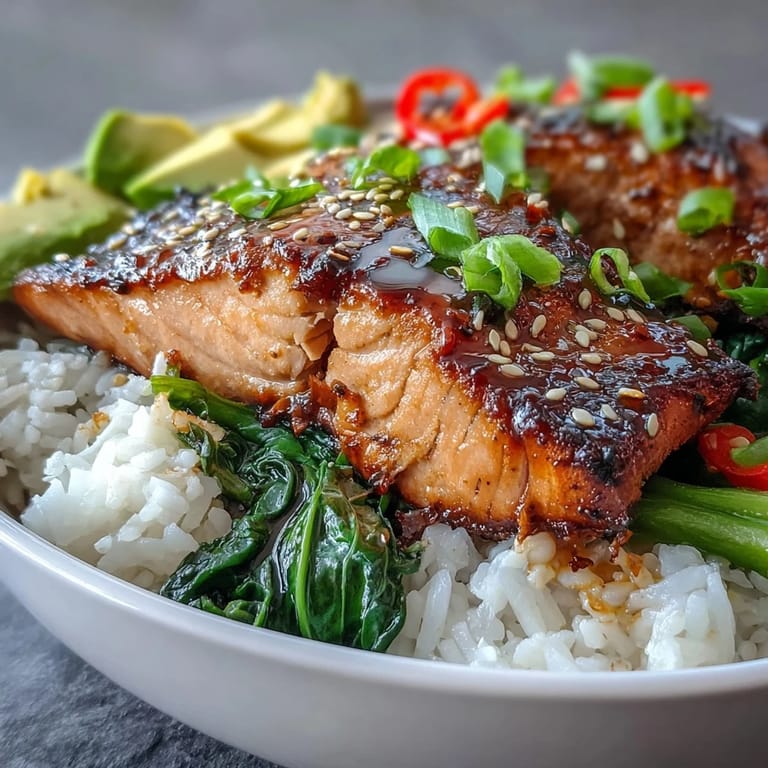
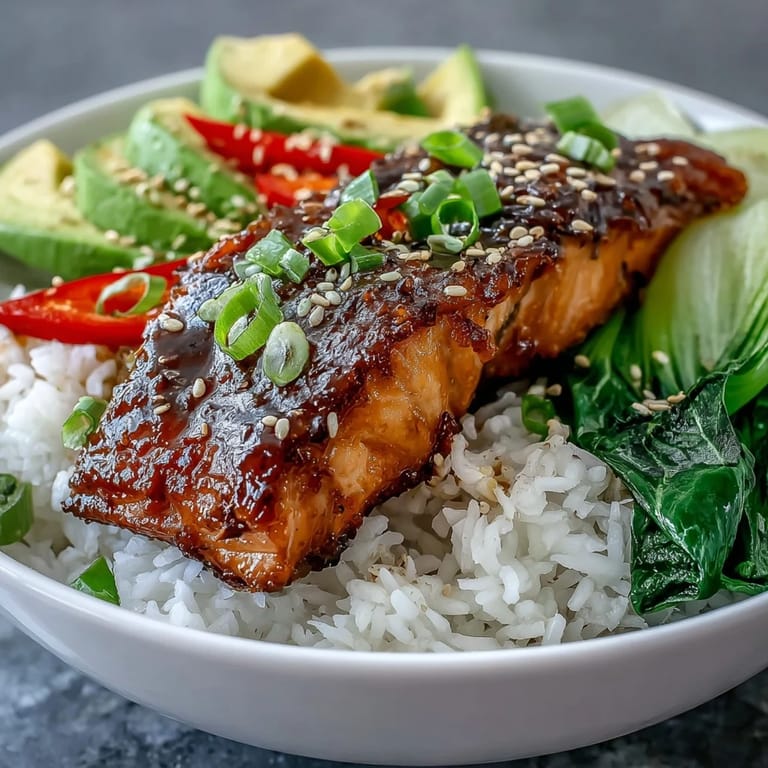
- Divide cooked rice among four bowls as the base. Top each with stir-fried vegetables, a salmon fillet, avocado slices, green onions, and your choice of cilantro or microgreens. Drizzle each bowl with reserved marinade and serve with lime wedges on the side.
 Save to Pinterest
 There was this one evening when I was stressed about a presentation, and making this bowl became my unwinding ritual. Something about the quiet sizzle of the salmon and the smell of ginger filling the kitchen grounded me completely. By the time I sat down to eat, my whole mood had shifted, and I realized food can be both nourishment and meditation. That's when this bowl stopped being just a recipe and became something I make whenever I need to feel a little more like myself.
Why The Marinade Matters
The magic happens because the marinade doesn't just sit on the salmon like a sauce. The soy sauce, ginger, and garlic actually penetrate the flesh during those 15 to 30 minutes, seasoning it from the inside out. When you sear the marinated fillet in the hot pan, the exterior caramelizes and creates this glossy, complex crust that tastes like you've been cooking Asian food for years. I spent months making mediocre salmon before understanding this difference.
Making It Your Own
This bowl is a blank canvas that responds beautifully to whatever you have on hand or whatever you're craving that day. Some mornings I add pickled ginger or sliced radishes for extra sharpness, and other times I throw in shredded cucumber for cooling crunch. The rice can swap for brown rice, cauliflower rice, or even quinoa if you're experimenting with different grains. The structure holds, and you learn which combinations make your taste buds happiest.
Final Tips & Tricks
One detail that changed everything was toasting my sesame seeds in a dry pan for about 30 seconds right before adding them. It wakes up their flavor completely and adds this subtle nuttiness that feels sophisticated. For a gluten-free version, swap tamari in for soy sauce and everything else stays the same. If you're cooking for someone with pescatarian preferences, this bowl celebrates fish in a way that feels generous rather than obligatory.
- Taste the rice water after marinating the salmon to check salt levels and adjust your final seasoning accordingly.
- Slice your avocado right before assembling so it stays bright and doesn't brown or turn mushy.
- A squeeze of fresh lime wedge over everything at the very end ties all the flavors together with surprising elegance.
 Save to Pinterest
 This bowl has become my answer to the question of what to cook when you want something that tastes like you spent hours in the kitchen but actually took 40 minutes. It feeds four people, makes leftovers that reheat reasonably well, and somehow tastes even better the next day when the flavors have had time to settle.
Recipe FAQs
- → Can I use frozen salmon fillets?
Yes, thaw frozen salmon completely in the refrigerator before marinating. Pat fillets dry with paper towels to ensure the glaze adheres properly during cooking.
- → How do I store leftovers?
Store components separately in airtight containers for up to 3 days. Keep rice, vegetables, and salmon refrigerated. Reheat gently and add fresh garnishes before serving.
- → What vegetables work best in this bowl?
Bok choy, snap peas, bell peppers, and carrots provide excellent crunch and color. You can also add shredded cabbage, sliced mushrooms, or broccoli florets based on preference.
- → Can I make this gluten-free?
Simply substitute tamari or coconut aminos for the soy sauce. Ensure all other ingredients, particularly the sriracha, are certified gluten-free.
- → What other proteins can I use?
The soy-ginger marinade works beautifully with tofu, chicken thighs, or shrimp. Adjust cooking times accordingly—tofu needs 8-10 minutes, shrimp 3-4 minutes per side.
- → Can I meal prep this bowl?
Absolutely. Cook rice and vegetables in advance. Portion everything into containers and store refrigerated. Add fresh avocado and garnishes just before eating for best texture.