 Save to Pinterest
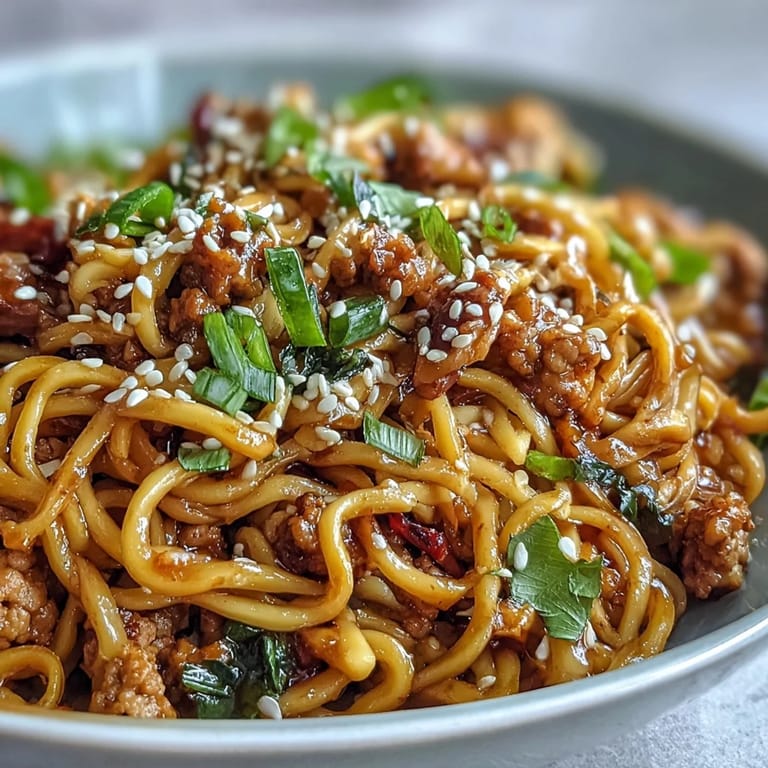
 There's something magical about the sound of noodles hitting a hot wok—that immediate sizzle and steam that fills your kitchen in seconds. I discovered this Korean turkey fried noodles recipe on a Tuesday night when I had ground turkey thawing, leftover gochujang in my fridge, and zero inspiration. What started as improvisation became my go-to weeknight dinner, the kind of dish that makes your whole apartment smell incredible and gets dinner on the table before anyone gets hangry.
I made this for my neighbor one rainy evening when she brought over wine and we decided cooking together beat scrolling on our phones. She'd never had gochujang before, and watching her eyes light up at that first bite—that complex spicy-sweet-umami moment—reminded me why I love sharing food. Now whenever she stops by, she asks if I'm making the Korean turkey noodles.
Ingredients
- Fresh or dried wheat noodles (300 g): I prefer fresh udon for their bouncy, chewy texture, but dried ramen works beautifully too and keeps longer in your pantry.
- Soy sauce (3 tbsp): This is your umami backbone—don't skip it or substitute with something lighter.
- Gochujang (2 tbsp): Korean chili paste is the soul of this dish; it brings heat, depth, and a natural sweetness that store-bought chili sauce can't replicate.
- Brown sugar (1 tbsp): Just enough to balance the heat and create that glossy, caramelized finish on the noodles.
- Rice vinegar (1 tbsp): A touch of brightness that cuts through the richness and keeps the dish from feeling heavy.
- Sesame oil (1 tbsp): Toasted sesame oil, please—the fragrant kind that makes your kitchen smell like a Korean restaurant.
- Ground turkey (400 g): Lean and quick-cooking, though ground chicken works just as well if that's what you have on hand.
- Vegetable oil (2 tbsp): Use a neutral oil with a high smoke point so your pan gets properly hot.
- Garlic and ginger (3 cloves garlic, 1 tbsp ginger): Minced fresh, not jarred—the aroma when they hit the hot oil is non-negotiable.
- Yellow onion (1 medium): Thin slices cook down just enough to soften without disappearing entirely.
- Carrot (1 medium): Julienned so it cooks evenly and adds a natural sweetness and crunch.
- Red bell pepper (1 medium): Color, sweetness, and a tender bite that balances the spice.
- Shiitake mushrooms (100 g): Their earthy, slightly meaty texture makes this feel more substantial without adding heaviness.
- Spring onions (2 for cooking, 2 for garnish): Fresh and alive—add some to the pan and save some for the top.
- Toasted sesame seeds (1 tbsp): The finishing touch that adds nutty flavor and visual appeal.
Tired of Takeout? 🥡
Get 10 meals you can make faster than delivery arrives. Seriously.
One email. No spam. Unsubscribe anytime.
Instructions
- Cook your noodles ahead:
- Get the noodles going first so they're ready when you need them. Follow the package directions, drain them completely, then rinse under cold water to stop them cooking and prevent them from clumping together.
- Build your sauce while noodles cook:
- Whisk together the soy sauce, gochujang, brown sugar, rice vinegar, and sesame oil in a small bowl. The gochujang will seem lumpy at first, but that's fine—it smooths out once it hits the hot pan.
- Brown the turkey in batches if needed:
- Heat 1 tbsp of oil in your wok or large skillet over medium-high heat until it shimmers. Add the ground turkey and let it sit for a minute before stirring, which helps it brown instead of steam. Break it apart as it cooks until it's golden and cooked through, about 5 minutes, then transfer to a clean plate.
- Build flavor with aromatics:
- Add the remaining 1 tbsp oil to the pan and let it get hot. Add your minced garlic and ginger and let them sizzle for just 30 seconds—you want them fragrant but not burned.
- Get the vegetables tender but still alive:
- Add the onion, carrot, bell pepper, and mushrooms all at once and stir-fry for 3 to 4 minutes, keeping everything moving. The vegetables should be soft enough to bite through but still have some structure.
- Bring it all together:
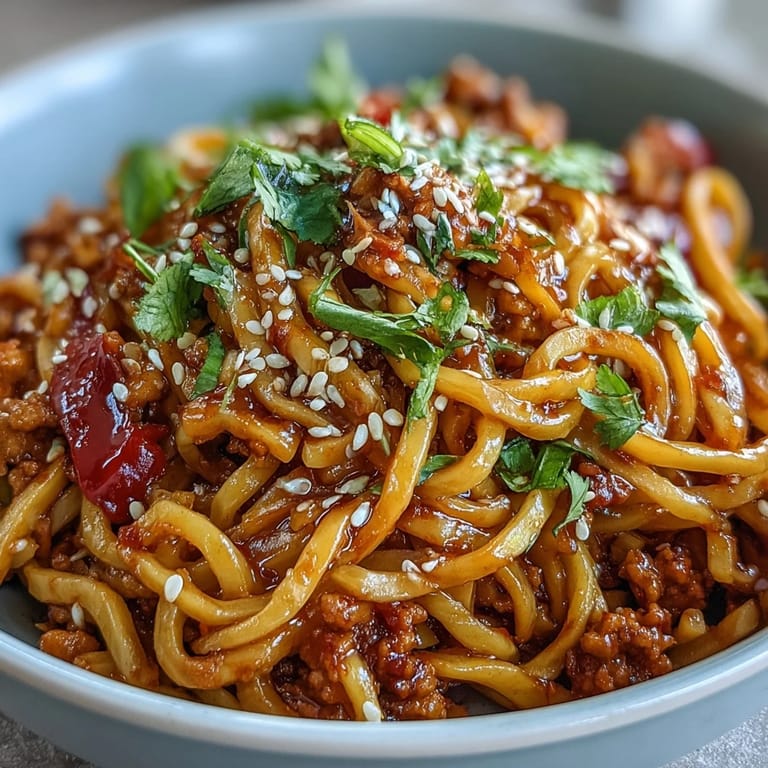
- Return the cooked turkey to the pan, add your cooked noodles and the sauce, and toss everything over high heat for 2 to 3 minutes until the sauce clings to the noodles and everything is heated through. You'll see the noodles start to glisten as the sauce coats them.
- Finish with fresh spring onions:
- Stir in the sliced spring onions just before serving so they keep their bright, oniony bite.
- Serve and garnish:
- Divide among bowls and top with toasted sesame seeds and extra spring onions for color and crunch.
 Save to Pinterest
 My proudest moment with this dish was when my sister, who claims she never cooks, asked me to teach her how to make it. Watching her stand at the stove with confidence, her eyes tracking the pan with real focus, reminded me that the best recipes are the ones simple enough that anyone can master them. She made it twice that month and told everyone it was her new specialty.
Why This Works as a Weeknight Dinner
The beauty of this dish is its flexibility and speed. Everything cooks in the time it takes to have a conversation, and your mise en place—all ingredients prepped and ready—takes maybe 10 minutes. There's no marinating, no complicated techniques, just honest stir-frying and the kind of instinctive cooking that builds confidence in the kitchen.
The Sauce is Everything
This sauce is why the dish works. Gochujang brings a fermented depth and gentle heat that standard chili pastes can't match, while the sesame oil adds a toasted, almost nutty undertone. The brown sugar and rice vinegar create balance—too much heat without sweetness tastes aggressive, and the vinegar keeps it from feeling heavy. This combination is worth understanding because once you grasp how these elements play together, you'll start using this formula on other dishes.
Variations and Customizations
This recipe is a platform more than a prescription. I've made it with ground chicken on nights when turkey wasn't in the fridge, and it's equally delicious. Swap in whatever vegetables you have—snap peas, zucchini, bok choy, or spinach all work beautifully. For those who want more heat, add sliced fresh chili or chili flakes, and for a deeper, more authentic Korean experience, serve it with a side of kimchi that cuts through the richness.
- Ground beef brings richness if you want something more indulgent.
- Fresh chili slices add genuine heat without the powdery texture of flakes.
- Serve with a cold glass of lager or chilled soju for the complete experience.
 Save to Pinterest
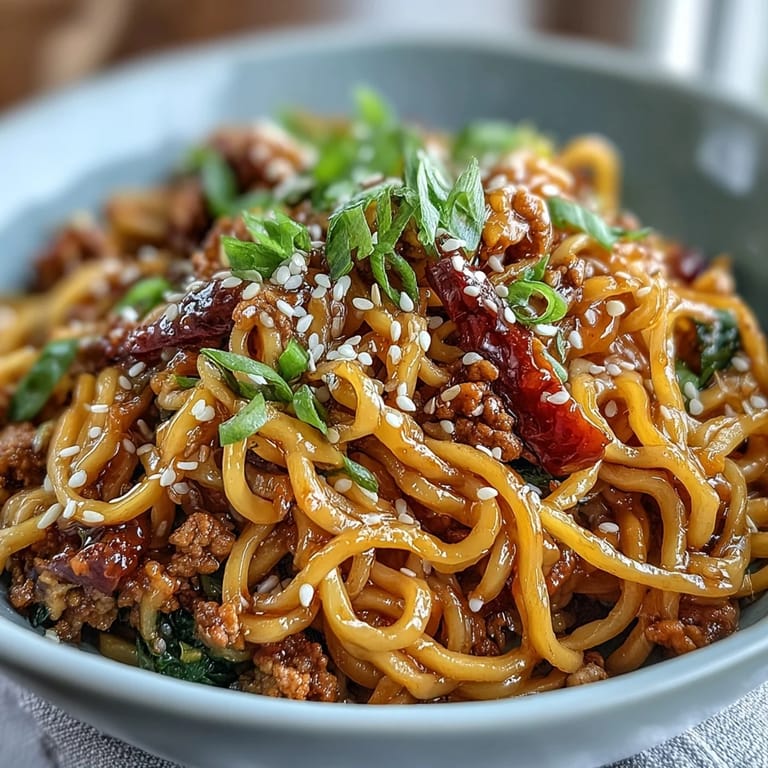
 This Korean turkey fried noodles has become my answer to the question I ask myself most evenings: what can I cook that feels effortless but tastes like I tried? It's the kind of dish that makes your kitchen smell incredible and your dinner guests grateful, every single time.
Recipe FAQs
- → Can I use different noodles?
Yes, you can substitute udon or ramen with other wheat noodles like soba, lo mein, or even spaghetti. Fresh noodles work best for that bouncy texture, but dried noodles are perfectly fine when cooked according to package directions.
- → Is this dish very spicy?
The heat level is moderate, coming from the gochujang. You can adjust the spiciness by reducing the amount of chili paste or adding fresh chilies for extra heat. The brown sugar helps balance the spice.
- → Can I meal prep this?
Absolutely. Store in airtight containers in the refrigerator for up to 4 days. Reheat in a pan with a splash of water or in the microwave. The noodles absorb sauce overnight, so you might want to add extra sauce when reheating.
- → What protein alternatives work well?
Ground chicken, beef, or pork all work beautifully in this dish. For a vegetarian version, use crumbled tofu or add more vegetables like broccoli, bok choy, or snap peas.
- → What should I serve with this?
Kimchi is the classic accompaniment for authentic Korean flavors. A light cucumber salad or pickled vegetables provide refreshing contrast. For beverages, try chilled soju or a crisp lager.