 Save to Pinterest
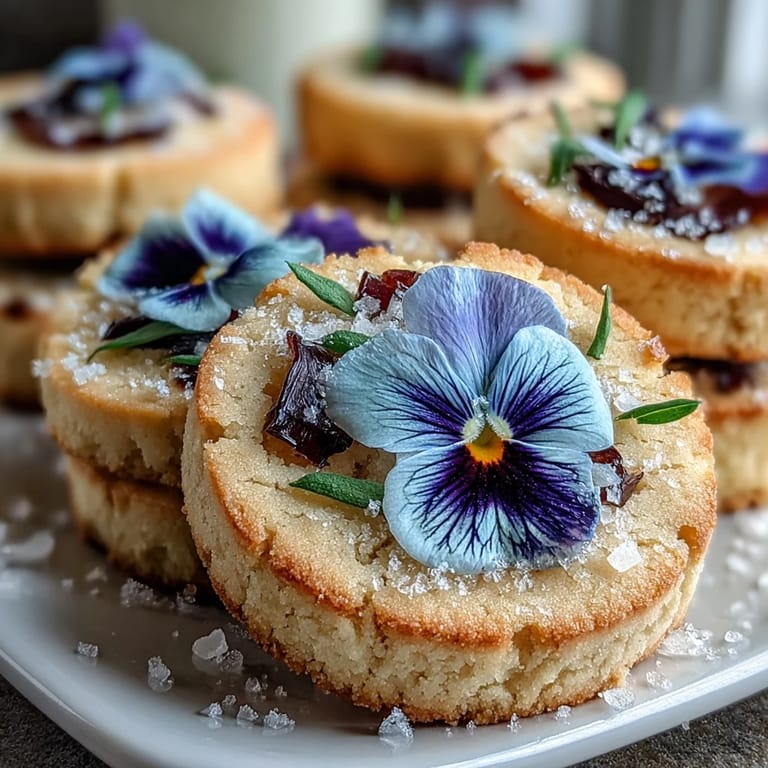
 The first time I baked Floral Shortbread Cookies, sunlight streamed through the kitchen window and painted dust motes gold. I wasn’t making them for a special occasion—just because a punnet of edible flowers at the farmers market looked almost too pretty to eat. The promise of delicate blooms on buttery shortbread was too tempting to pass up, and I found myself whistling as I rummaged for my favorite cookie cutters. The dough felt cool between my hands, and I was secretly hoping the petals would stay vibrant through baking. These cookies turned a quiet afternoon into something quietly extraordinary.
Baking these with my niece one breezy Saturday ended up more giggles than guidance—she declared herself “flower boss,” meticulously arranging pansies in crooked rows. We both dusted ourselves with flour more than necessary and shamelessly taste-tested scraps of dough. That batch never even made it to a tin; warm cookies vanished right from the rack while we compared our favorites. The kitchen smelled of vanilla and something softly floral, and I felt lucky to watch her curiosity bloom along with every cookie.
Ingredients
- Unsalted butter: Softening it first is crucial for that melt-in-your-mouth texture—I usually leave it on the counter while I prep everything else.
- Granulated sugar: Cream it well to help the cookies stay light yet hold their shape.
- All-purpose flour: Sifting removes any lumps and makes it easier to mix in without overworking the dough.
- Fine sea salt: Even a pinch lifts the sweetness and enhances the butteriness.
- Pure vanilla extract: A little extra on a cloudy day, just for the comforting aroma.
- Edible flowers: Only use blooms you know are pesticide-free—violets and pansies hold their color best in the oven.
- Egg white (optional): Brushing a little on top makes the flowers stick and gives a bakery-style gloss.
- Superfine sugar (optional): Just a light sprinkle adds sparkle and a sweet crunch.
Tired of Takeout? 🥡
Get 10 meals you can make faster than delivery arrives. Seriously.
One email. No spam. Unsubscribe anytime.
Instructions
- Cream the butter and sugar:
- With your mixer, beat butter and sugar together until the mixture looks pale and fluffy—it should feel almost like frosting.
- Add vanilla:
- Pour in the vanilla and give it a brief mix, just until everything is fragrant and united.
- Combine dry ingredients:
- Sift in the flour and salt, then mix on low until a soft dough forms; stop mixing as soon as no streaks of flour remain to avoid tough cookies.
- Shape and chill:
- Pat the dough into a disc, wrap it in parchment, and chill for at least 30 minutes—this rest is what keeps the cookies from spreading.
- Prep for baking:
- Heat your oven to 350°F (175°C) and line two trays with parchment paper; the anticipation will start to build now.
- Roll and cut:
- On a lightly floured counter, roll out the dough to about 1/4-inch thickness and cut with your favorite shapes—every scrap of dough is precious, so re-roll gently.
- Arrange on sheets:
- Space the cookies about an inch apart on the trays to give them room to bake evenly.
- Decorate with flowers:
- Place one or two edible flowers onto each cookie, gently pressing them in; if you like shine, brush with egg white and finish with a whisper of superfine sugar.
- Bake:
- Bake for 12–15 minutes, stopping when the edges just barely turn gold and the kitchen smells rich and sweet.
- Cool completely:
- Let the cookies settle on the tray for 5 minutes, then move them to a wire rack where theyll crisp up prettily as they cool.
 Save to Pinterest
  Save to Pinterest
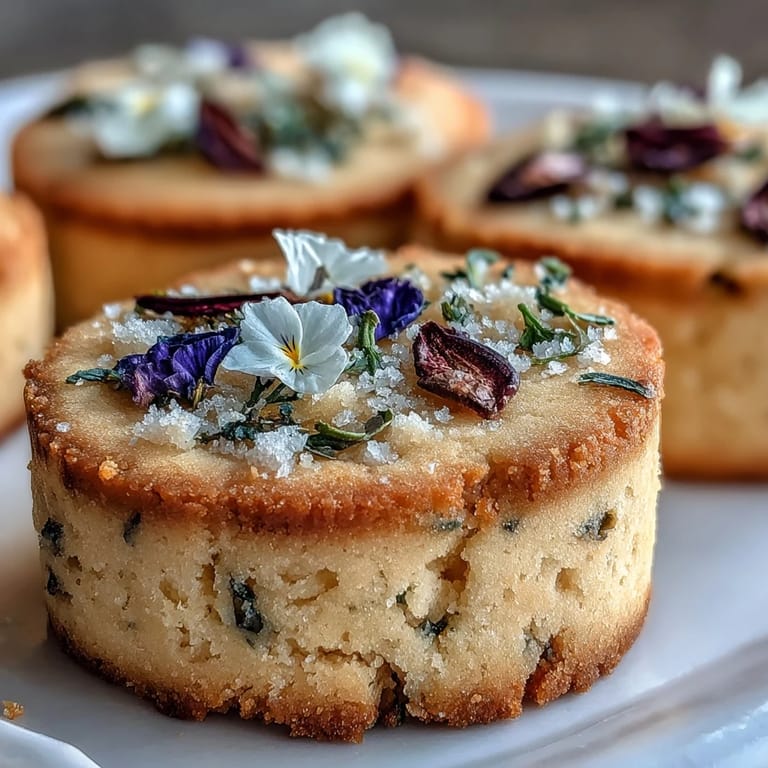
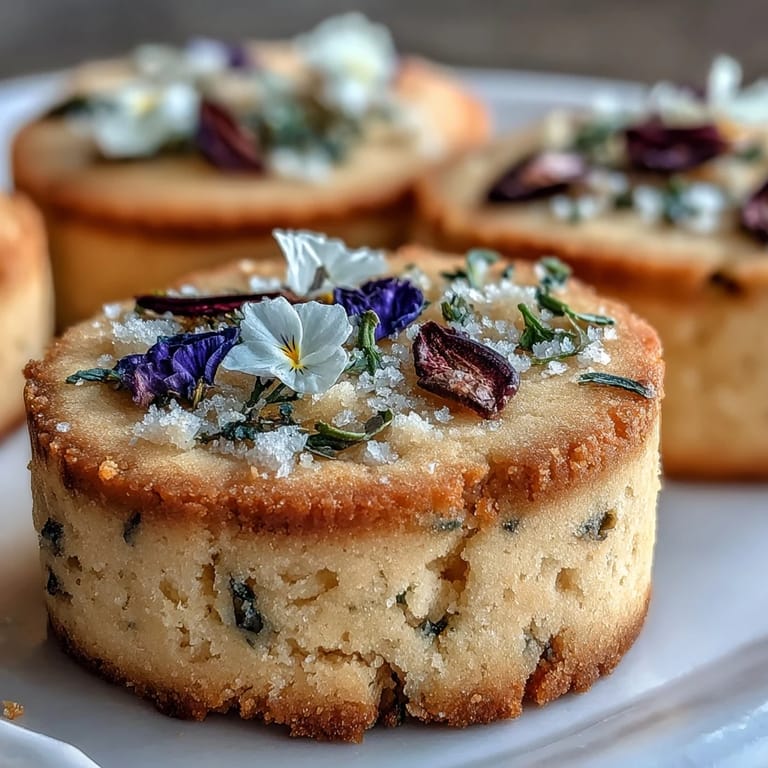
 The first time a friend laid eyes on these cookies at my spring picnic, she gasped and asked if they were real flowers—her face broke into the happiest smile when I nodded yes. What surprised me more was that, long after the cookies were gone, our group kept talking about the memory of eating “tiny gardens” together in the sun.
Making Them Your Own
Once you’re comfortable with the basic dough, it’s fun to get playful: try stirring in a bit of finely grated lemon or orange zest for brightness, or swap the vanilla for almond extract when you crave a richer flavor. The real magic is letting your personal style show, whether you artfully place your flowers or opt for carefree scattering.
Flower Power Secrets
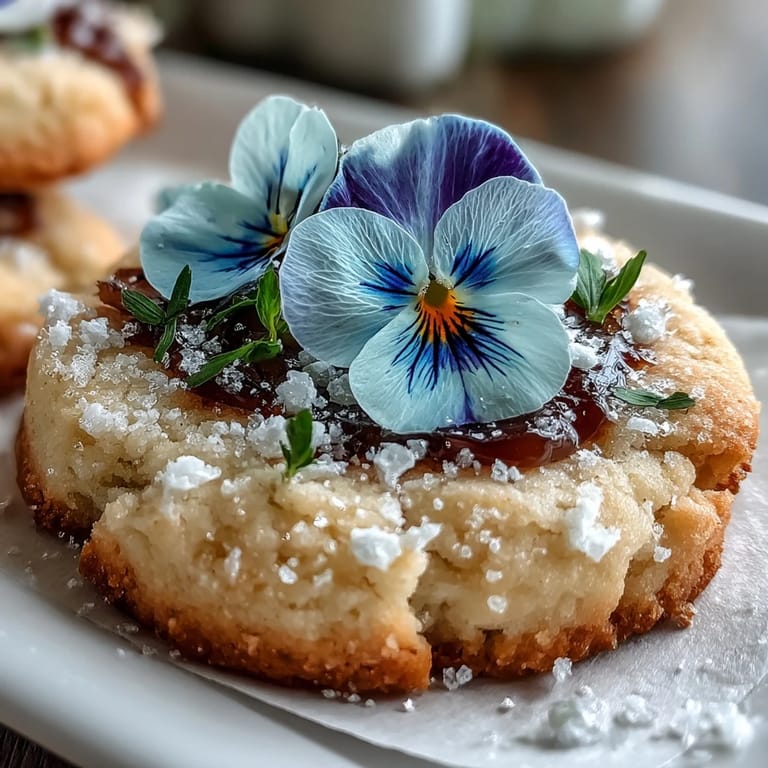
Ive found that certain edible flowers like violas and calendula petals hold their color best, while rose petals add drama but can get a little crispy. A light press with your fingers helps them stick, and brushing just the barest amount of egg white locks everything in—you want the cookies to look natural, not lacquered.
Storage and Serving Notes
Floral shortbread keeps well in an airtight container for a few days, and honestly, the flavors deepen as the cookies rest. They’re dazzling for an afternoon tea or tucked into a gift box, and a plateful will always disappear faster than you expect.
- Separate layers with parchment if you store them stacked.
- Let your guests know which flowers you picked for peace of mind.
- If you’re serving these the day after baking, they’re even better with a fresh pot of tea.
 Save to Pinterest
  Save to Pinterest
 Every batch of these cookies feels like bringing a bit of spring sunshine indoors. I hope they make your table as joyful and inviting as they’ve made mine.
Recipe FAQs
- → Which flowers are safe to use?
Use only flowers confirmed edible and pesticide-free, such as violets, pansies, calendula, and rose petals. When in doubt, source from reputable suppliers or herb growers and avoid ornamental blooms not labeled for consumption.
- → How do I keep flowers vibrant after baking?
Press flowers gently onto the dough and, if desired, brush very lightly with beaten egg white before applying to help them adhere and maintain color. Avoid overbaking; pull the cookies as soon as edges begin to color.
- → Can I add citrus or other flavorings?
Yes. Finely grated lemon or orange zest folded into the dough brightens the shortbread without changing texture. A touch of almond extract can also complement floral notes, used sparingly.
- → What if my dough is crumbly or too sticky?
If crumbly, work the dough gently and chill longer to help it bind; if too sticky, chill and dust the work surface lightly with flour. Handle minimally to keep the biscuits tender and avoid overmixing after adding flour.
- → Is egg white required to attach flowers?
Egg white is optional. It gives a slight sheen and helps flowers adhere. For a vegetarian approach, use a light brush of simple syrup or omit any adhesive and press flowers gently so they stick during baking.
- → How should I store these for best texture?
Store cooled cookies in an airtight container at room temperature for up to 5 days. Layer with parchment to prevent sticking; refrigeration can soften edges, so avoid unless your kitchen is very warm.