 Save to Pinterest
 My friend Sarah showed up one Sunday morning with a bottle of elderflower liqueur she'd picked up in France, and I had no idea what to do with it. We were standing in my kitchen debating mimosas when she grabbed the guava nectar from my fridge, and something just clicked. That first sip was like drinking spring flowers mixed with tropical sunshine, and I knew immediately this was going to become our signature brunch drink. Now whenever someone asks what makes a mimosa feel special, I tell them it's about finding those unexpected flavor combinations that make people pause mid-conversation to ask what they're drinking.
I made a batch of these for my mom's birthday brunch last spring, and watching her face light up when she tasted that first sip was worth every bit of effort. She's not usually one for cocktails, but something about the delicate floral sweetness balanced with the champagne bubbles just won her over. That afternoon, she spent more time chatting with my neighbors on the patio than she ever has, and I'm pretty sure this drink gets some of the credit for that.
Ingredients
- Guava nectar: This is your tropical anchor, and using actual nectar instead of juice makes all the difference because it carries more body and natural sweetness into each sip.
- Elderflower liqueur: St-Germain is the classic choice, but hunt around your local bottle shop because some distillers make versions with slightly different floral intensities that can shift the whole personality of your drink.
- Champagne or sparkling wine: Don't feel pressured to buy the most expensive bottle, but do chill it properly because warm champagne loses its personality fast.
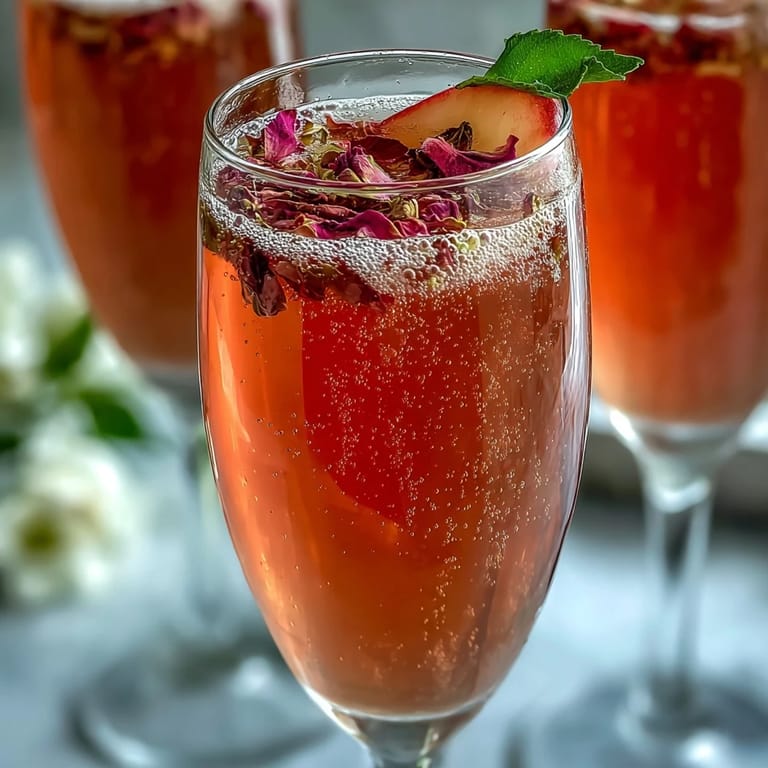
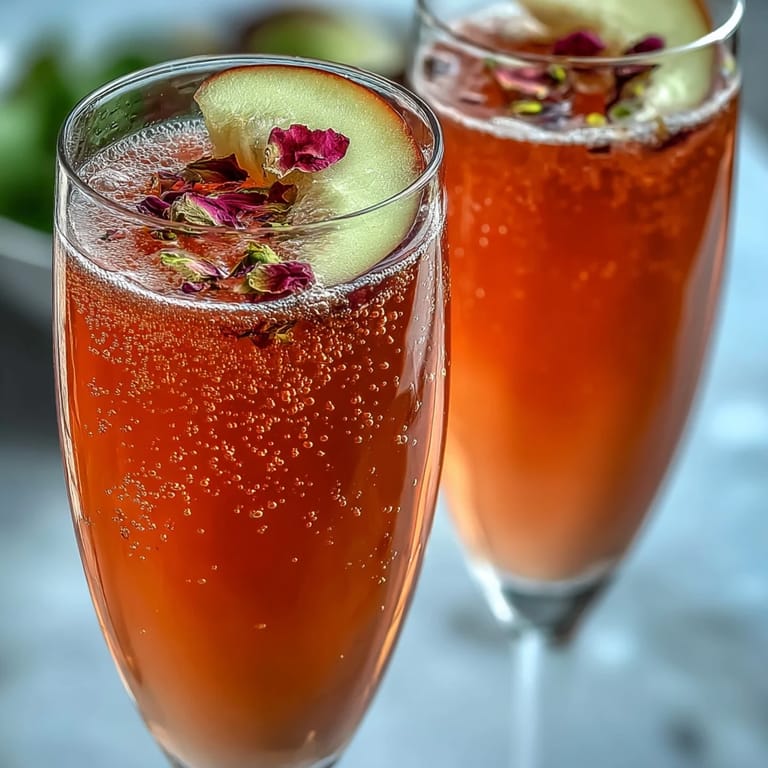
- Edible flowers or guava slices: These are optional but they transform your drink from pretty to absolutely stunning, and they float beautifully if you choose thin slices.
Tired of Takeout? 🥡
Get 10 meals you can make faster than delivery arrives. Seriously.
One email. No spam. Unsubscribe anytime.
Instructions
- Pour the guava foundation:
- Measure out 1/4 cup of chilled guava nectar into each champagne flute, and watch how the color immediately makes everyone at the table sit up straighter. You want the flute about a quarter of the way full so you have room for the other components to create layers.
- Add the floral note:
- Pour 2 tablespoons of elderflower liqueur into each glass, and you'll notice how it wants to blend into the guava right away. This is where you can taste and adjust if you prefer things sweeter or more floral, which I always encourage because your palate matters more than any recipe.
- Top with champagne:
- Pour the chilled champagne slowly and gently until the flute is full, listening for that subtle hiss of carbonation. This is the moment everything comes together, so don't rush it even though you're probably excited to taste it.
- Stir and serve:
- Give it a gentle stir with a bar spoon to marry the flavors, but keep the motion soft so you don't lose all those precious bubbles. Serve immediately while it's still cold and the champagne is snapping with carbonation.
 Save to Pinterest
 There's something deeply satisfying about making a cocktail that looks like it came from a fancy brunch spot, but tastes even better because you made it yourself. Last month, I served these at a Saturday morning gathering, and by the end of brunch, three people had asked for the recipe and my friend Marcus said it was the first thing that made him actually want to wake up early on a weekend.
Timing and Temperature Matter
I learned the hard way that champagne warms up faster than you'd think, especially on warm days or if you're handling the flutes. The trick is to chill everything separately and then assemble right before serving, which takes the pressure off and means you're not racing against melting ice or flat bubbles. If you're making these for a crowd, you can measure out the guava and elderflower into flutes ahead of time, then just pop the champagne cork when people sit down.
Playing with Flavor
Once you understand how these three components work together, you start seeing variations everywhere. I've made versions with different fruit nectars like passion fruit or mango, swapped the elderflower for other floral liqueurs like lavender, and even tried adding a splash of fresh lemon juice when I wanted something a touch brighter. The architecture stays the same, so you're just tweaking the flavors to match your mood or what's in season.
Non-Alcoholic and Accommodating Options
Not everyone drinks alcohol, and I wanted these to feel inclusive without making a completely separate drink. If you swap elderflower syrup for the liqueur and use sparkling water or non-alcoholic sparkling wine, you get something just as refreshing and special. The guava and elderflower combination is so naturally delicious that it doesn't need the alcohol to shine, which is how you know you've built something genuinely good.
- Keep a bottle of quality elderflower syrup on hand for when you're entertaining mixed groups, because it's also lovely in still water with ice or drizzled over vanilla ice cream.
- Taste as you go and adjust the proportions to your preference, because brunch should feel playful not rigid.
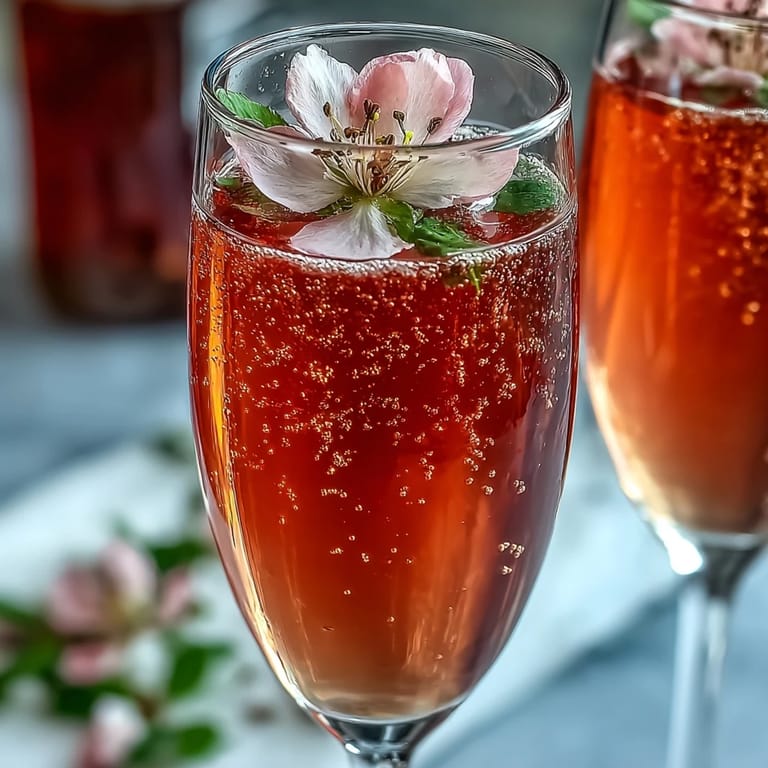
- Fresh edible flowers like pansies or nasturtiums elevate the whole experience, so grab some from a farmers market if you can.
 Save to Pinterest
 This drink has become my go-to for moments when I want to mark something as special without overthinking it. Whether it's a casual Saturday morning or a celebration, there's something about the combination of floral, tropical, and bubbly that just makes people slow down and enjoy the moment together.
Recipe FAQs
- → What does elderflower liqueur taste like?
Elderflower liqueur has delicate floral notes with hints of pear, citrus, and honey. It adds a sophisticated sweetness that pairs beautifully with tropical fruits like guava.
- → Can I make this non-alcoholic?
Yes! Substitute elderflower syrup for the liqueur and use sparkling water or non-alcoholic sparkling wine instead of champagne. The drink remains refreshing and flavorful.
- → What type of champagne works best?
A dry brut champagne or crisp sparkling wine complements the sweet guava nectar and floral elderflower perfectly. Extra dry varieties also work well if you prefer slightly sweeter notes.
- → How do I adjust the sweetness?
Taste your guava nectar first—some brands are sweeter than others. Reduce elderflower liqueur for a lighter drink, or add more for intensified floral sweetness. Always pour champagne last to gauge balance.
- → What garnishes work best?
Thin guava slices add tropical flair, while edible flowers like violets or pansies enhance the elegant presentation. A twist of lime or lemon also complements the flavors beautifully.
- → Can I prepare this in advance?
Mix the guava nectar and elderflower liqueur ahead of time and refrigerate. Add the champagne just before serving to maintain optimal fizz and freshness.