 Save to Pinterest
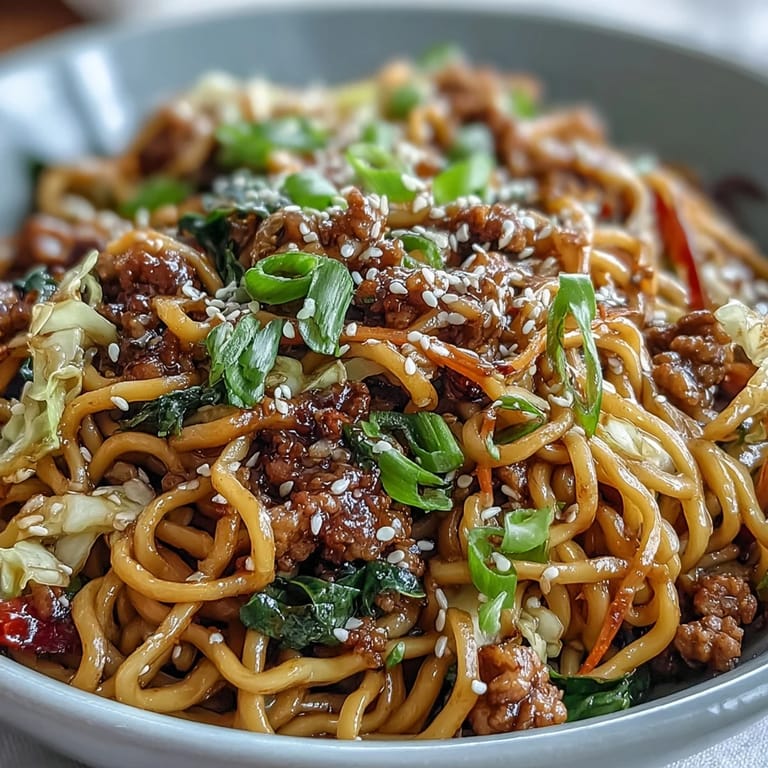
 A coworker once brought Korean turkey fried noodles to our office potluck, and I watched three people go back for seconds before I even got to the table. That night, I decided to recreate it at home, and what started as a casual weeknight experiment became something I make whenever I need to feel like I actually know what I'm doing in the kitchen. The combination of savory gochujang and sesame oil transforms simple ground turkey into something that tastes way more complicated than it actually is.
My partner was skeptical about cooking with gochujang at first, thinking Korean chili paste would blow our heads off. When she tasted the finished dish, she was genuinely surprised by how the spice balanced with the sweetness and depth, and now she requests this meal almost every other week. It's become one of those dishes where people ask for the recipe, and I always tell them the secret is using good sesame oil and not skipping the ginger.
Ingredients
- Ground turkey: A pound of this lean protein is your canvas here, and breaking it into small pieces as it cooks ensures every bit gets coated in that addictive sauce.
- Fresh or dried wheat noodles: Udon or ramen work beautifully because they're sturdy enough to handle the tossing without falling apart, and they actually absorb the sauce instead of sliding off.
- Shredded carrots: Their natural sweetness complements the spicy-savory sauce, and they stay crisp-tender if you don't overthink the stir-fry.
- Red bell pepper: This adds color and a slight sweetness that rounds out the heat from the gochujang without making the dish taste like a vegetable stir-fry.
- Onion: A small onion sliced thin caramelizes quickly and becomes almost candy-like, anchoring all the other flavors.
- Napa cabbage: This is the secret weapon that nobody talks about—it wilts at the last second, adding body and that authentic Korean-restaurant texture.
- Green onions: Fresh and grassy, they're your brightness at the end, cutting through the richness so the whole dish doesn't feel one-note.
- Soy sauce: Three tablespoons creates the savory backbone, and using good quality soy sauce actually changes the outcome.
- Gochujang: Two tablespoons of this Korean chili paste is where all the personality lives—it's spicy, fermented, and slightly sweet all at once.
- Sesame oil: A tablespoon is all you need, and it should smell like a toasted nut dream; don't use the cheap stuff or you'll wonder why this didn't work.
- Brown sugar: Just a tablespoon mellows the heat and makes the sauce glossy, which sounds small but it's actually the difference between good and restaurant-quality.
- Garlic and ginger: These two aromatics are why your kitchen smells incredible while you're cooking, and they're what makes people ask if you went to culinary school.
- Rice vinegar: A tablespoon adds brightness and cuts the richness so you don't feel stuffed after eating.
- Toasted sesame seeds: These are pure textural joy and they look fancy, but honestly they're just for the final moment of glory on top.
Tired of Takeout? 🥡
Get 10 meals you can make faster than delivery arrives. Seriously.
One email. No spam. Unsubscribe anytime.
Instructions
- Make the sauce first:
- Whisk soy sauce, gochujang, sesame oil, brown sugar, minced garlic, rice vinegar, and ginger in a small bowl until smooth and integrated. This step takes two minutes and it's the entire flavor foundation, so don't rush it or skip tasting it to make sure the balance feels right to you.
- Cook the noodles:
- Follow the package instructions, then drain and rinse under cold water to stop them cooking and prevent them from sticking together. Cold noodles actually toss better into the hot skillet because they don't turn to mush.
- Brown the turkey:
- Heat a large skillet or wok over medium-high heat with a drizzle of oil, then add the ground turkey and break it apart as it cooks for four to five minutes. You want it completely browned with no pink, and the pieces should be small enough that they coat evenly in the sauce.
- Add the vegetables in stages:
- First go in the onion, carrots, and bell pepper for two to three minutes, then add the cabbage and cook another two minutes so everything stays crisp-tender. Cooking in stages matters because cabbage needs way less time than carrots, and respecting that timing makes the whole dish sing.
- Bring it all together:
- Pour in your sauce and toss the turkey and vegetables to coat, then add the cooked noodles and stir-fry for another two to three minutes until heated through and everything is glossy. This is when your kitchen starts smelling like a Korean restaurant and you know you've done something right.
- Finish and serve:
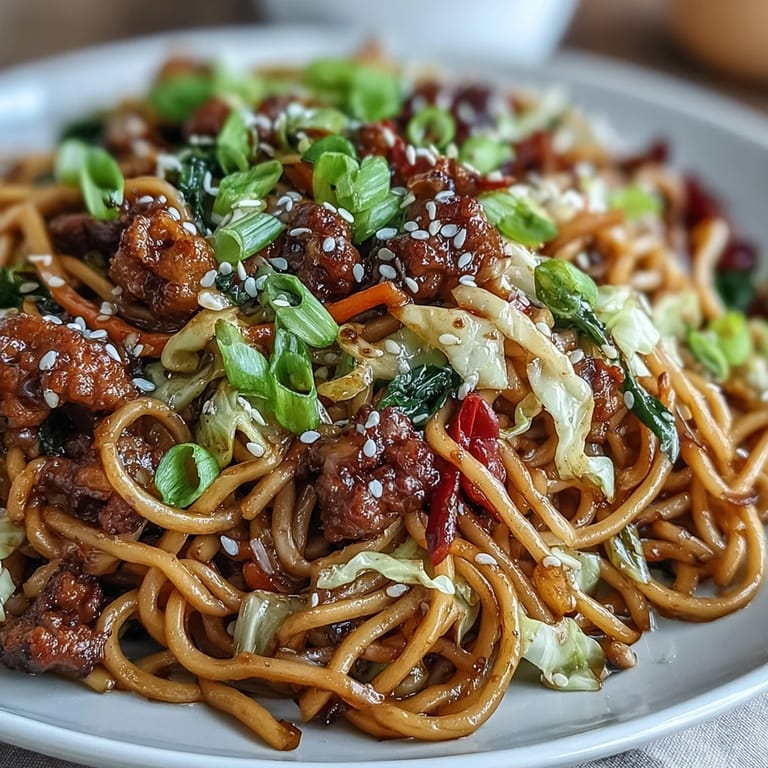
- Remove from heat, scatter sesame seeds and extra green onions across the top, and serve hot. The moment it hits the plate is the moment it's best, so don't hold it.
 Save to Pinterest
 There's a specific moment when you toss everything together in that hot pan and the steam rises up and the sauce coats every noodle and piece of turkey—that's when you realize you've made something actually delicious, not just dinner. It's a small victory, but it's the kind that makes you want to cook again tomorrow.
Why This Works as Weeknight Food
Most Korean-inspired dishes feel like they require a million ingredients and complicated techniques, but this one respects your time and energy. Ground turkey cooks faster than almost any other protein, and because the sauce is building while the protein browns, you're essentially doing everything in one skillet without feeling like a short-order cook. The noodles soak up all that savory-spicy flavor, so you get restaurant satisfaction without the restaurant cleanup.
Customizing Without Losing the Soul
Swap ground chicken for turkey if that's what's in your freezer—it works the same way and tastes just as good. Beef is richer and heavier, but it's delicious if you want something more indulgent. The vegetables are more flexible than you'd think; if your market doesn't have Napa cabbage, regular cabbage works, and you can throw in whatever crisp vegetables you have on hand like snap peas or broccoli.
Taking the Heat Level to Your Comfort Zone
Gochujang by itself is spicy but balanced, so if you're heat-sensitive, two tablespoons is already manageable for most people. If you actually want to feel the burn, add a teaspoon or two of gochugaru (Korean chili flakes) at the end so the heat stays bright and crispy instead of just hot. For a gluten-free version, swap regular soy sauce for tamari and use rice noodles instead of wheat, and the whole dish stays exactly as good.
- Brown sugar is doing real work here, so don't cut back on it thinking you're saving calories—it's what makes the sauce taste balanced instead of spicy-salty.
- If your kitchen gets smoky when you're stir-frying, that's actually a sign you're doing it right and the pan is hot enough to build flavor.
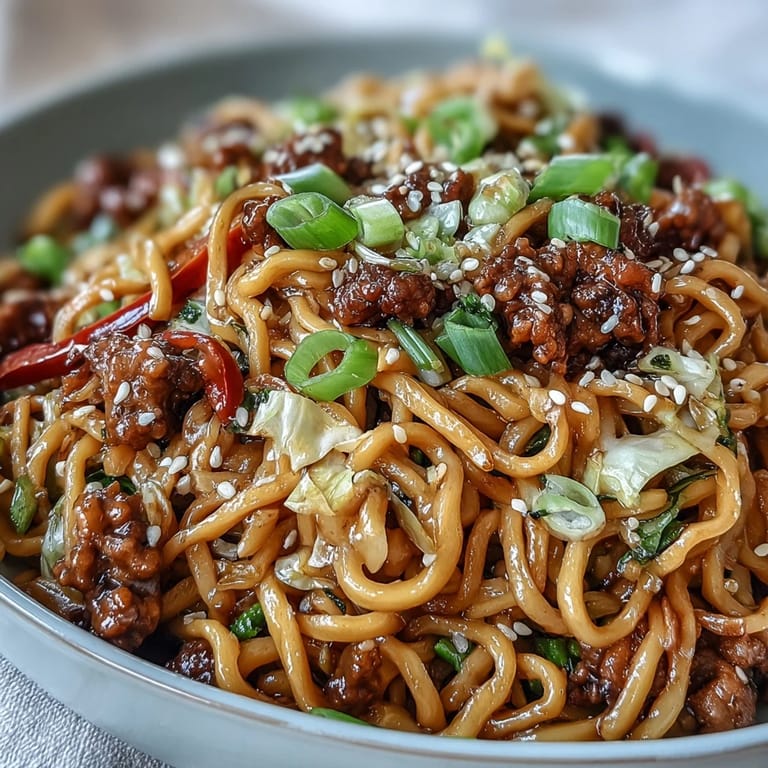
- Sesame seeds should go on right before eating so they stay crispy and don't get soggy from the sauce.
 Save to Pinterest
 This dish landed on my regular rotation because it tastes ambitious but doesn't stress me out, and it's the kind of food that makes people happy without requiring anything fancy or hard to find. Make it once and it becomes a reliable friend in your kitchen.
Recipe FAQs
- → What makes the Korean flavor profile?
The signature taste comes from gochujang (Korean chili paste), soy sauce, sesame oil, rice vinegar, garlic, and ginger. This combination creates a balanced spicy-sweet-savory sauce that coats the noodles and turkey perfectly.
- → Can I use different proteins?
Absolutely. Ground chicken or beef work equally well. For a vegetarian version, substitute crumbled tofu or your favorite plant-based ground meat alternative.
- → What type of noodles work best?
Fresh or dried wheat noodles like udon or ramen are ideal. For gluten-free options, use rice noodles or soba. The key is choosing noodles that hold up well to stir-frying without becoming mushy.
- → How can I adjust the spice level?
Start with the suggested amount of gochujang. For more heat, add gochugaru (Korean chili flakes) or extra gochujang. To reduce spiciness, decrease the chili paste and increase the brown sugar slightly.
- → Can I prep this ahead?
Yes. Chop vegetables in advance and store refrigerated. The sauce can be mixed and kept for up to a week. Cook noodles just before assembling for best texture.
- → What sides pair well?
Light, crisp lager or chilled soju complement the bold flavors. Simple pickled vegetables or fresh cucumber salad help balance the rich, spicy noodles.