 Save to Pinterest
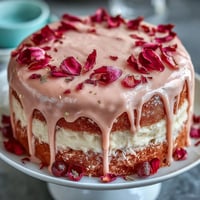
 The first time I made this Rosé Velvet Cake, I left the radio playing softly while I sifted flour and popped open the rosé, its scent dancing above the mixing bowl. There's a particular joy in seeing the batter blush with that delicate pink hue, like dappled sunrise on a spring table. I found myself quietly humming while brushing gold atop the drips, feeling like I'd borrowed a little magic just for the occasion. This recipe isn't just about celebration—it's about savoring the playful, unexpected moments we find in the kitchen. Somehow, the luxurious gold shimmer and sweet, floral notes make even an ordinary afternoon feel a little extraordinary.
A few weeks back, a friend came early to help decorate the bridal shower, and we couldn’t resist stealing spoonfuls of frosting as we assembled layers. The laughter, spontaneous crumbs, and a stray swipe of gold paint on her hand are stitched into my memory just as vividly as the cake itself. Cakes have a way of capturing not just flavors but the mood of a day, and this one is pure gentle celebration. I still chuckle remembering how we had to resist cutting a 'test slice' before guests even arrived. Moments like that are why I love making party cakes at home.
Ingredients
- All-purpose flour: Look for a fresh, finely milled flour to keep the crumb tender—it’s worth sifting for that melt-in-your-mouth bite.
- Cornstarch: Just a touch makes the cake fluffier; I always whisk it thoroughly into the flour for even lift.
- Unsweetened cocoa powder: Adds depth and creates the signature 'velvet' quality; Dutch-processed gives a richer tone, but either works.
- Baking soda: This ensures the cake rises gently with the acidity of rosé and buttermilk; don’t skip the sifting step here.
- Salt: Just enough to highlight the sweet-fruity notes; I find flaky sea salt dissolves nicely.
- Unsalted butter: Room temperature is key so it creams smoothly—if pressed, I warm mine gently on the counter first.
- Granulated sugar & light brown sugar: The mix of both creates an irresistible moist crumb with caramel depth.
- Eggs: Letting eggs rest at room temp helps them blend seamlessly into the batter for an even rise.
- Rosé wine: Go for a crisp, aromatic rosé with berry notes—don’t use anything you wouldn’t happily sip.
- Buttermilk: The tang really balances the sweetness and keeps the crumb soft; low-fat versions work fine.
- Vanilla extract: Quality vanilla rounds out the flavor—pure is always best if you can swing it.
- Pink gel food coloring: A dab gives a bold blush; add slowly and mix well for even color.
- Cream cheese: Soften it on the counter ahead of time to avoid lumps in your frosting.
- Confectioners’ sugar: Sifted for the smoothest, silkiest frosting—don’t underestimate how much powder clumps can spoil the texture.
- White chocolate chips & heavy cream: Together they create a velvety drip; melt them slow to avoid scorching.
- Edible gold luster dust & clear vodka/lemon extract: Turns the drip glam—mix just before painting for the brightest shimmer.
- Optional edible flowers or gold leaf: These make the cake a true showstopper; less is more for an elegant look.
Tired of Takeout? 🥡
Get 10 meals you can make faster than delivery arrives. Seriously.
One email. No spam. Unsubscribe anytime.
Instructions
- Prep your pans and oven:
- Turn the oven to 350°F (175°C), and line three cake pans with parchment rounds—smearing a little butter underneath works wonders for easy unmolding.
- Sift and mix the dry ingredients:
- Sift flour, cornstarch, cocoa, baking soda, and salt into a big bowl, watching the powder fall in soft clouds—it might look fussy but it’s worth it for a feather-light cake.
- Cream the butter and sugars:
- With your mixer on medium, beat the butter with granulated and brown sugar until it’s fluffy and pale, about three minutes; it should smell fantastically rich at this stage.
- Add eggs and vanilla:
- Drop in eggs one by one, mixing after each, then stir in the vanilla—don’t rush this and scrape the bowl so every bit gets in on the fun.
- Combine rosé and buttermilk:
- In a small jug, mix the rosé and buttermilk; the color looks cheery and the aroma is quietly floral.
- Blend wet and dry ingredients, add color:
- With your mixer on low, add dry mix and rosé-buttermilk alternately to the butter mixture, starting and ending with dry; pause to scrape down, and swirl in pink food coloring a drop at a time to just the right hue.
- Divide and bake:
- Spoon the blush-pink batter evenly between pans, smooth the tops gently, and slide them in the oven; bake 28-32 minutes until a toothpick emerges clean.
- Cool the cakes:
- Let the cakes relax in the pans for 10 minutes, then carefully turn them onto a wire rack to finish cooling—they need to be completely cool before frosting, no shortcuts.
- Make the frosting:
- Beat cream cheese and butter until creamy, then add sifted confectioners’ sugar, vanilla, and a pinch of salt—keep going until it’s fluffy and irresistible.
- Frost and chill:
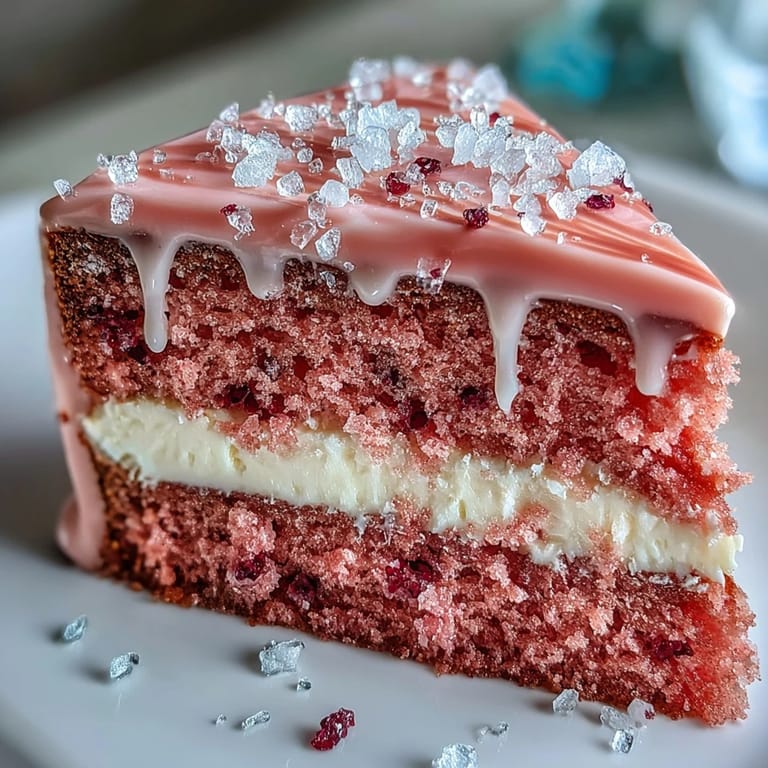
- Layer cake rounds with frosting, covering the sides and top evenly; a quick chill in the fridge for 30 minutes sets it perfectly for decorating.
- Make and drizzle gold drip:
- Melt white chocolate chips and cream over gentle heat until glossy, let cool a minute, then carefully drizzle around cake edges so it drips lushly.
- Paint with gold:
- Mix gold luster dust with a drop of vodka or lemon extract, and once the chocolate is set, paint the drips gold using a small brush for instant glamour.
- Finishing touches:
- Adorn with edible flowers or gold leaf if you like, giving it a flourish fit for a celebration.
 Save to Pinterest
  Save to Pinterest
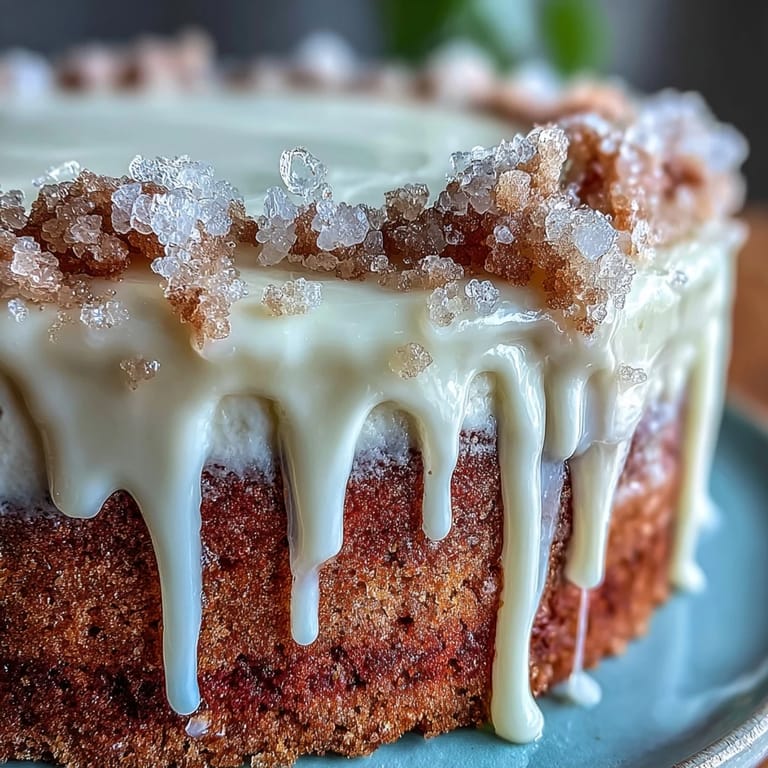
 The real magic happened when I carried this cake to the table and everyone gasped—suddenly, the clinking glasses and wide smiles made all the careful drip-work feel worthwhile. It’s in those glimmering moments, amid giggles and toasts, that a cake becomes an unforgettable centerpiece for celebration.
Choosing Your Rosé (And Nonalcoholic Variations)
Sampling different rosé wines for this cake felt like a mini-adventure in itself—a fruity, floral bottle adds brightness and complexity. If you’d rather skip the alcohol, pink grape juice or sparkling cider offer a beautiful color and gentler flavor, making the cake perfect for everyone at your table.
Mastering That Gold Drip
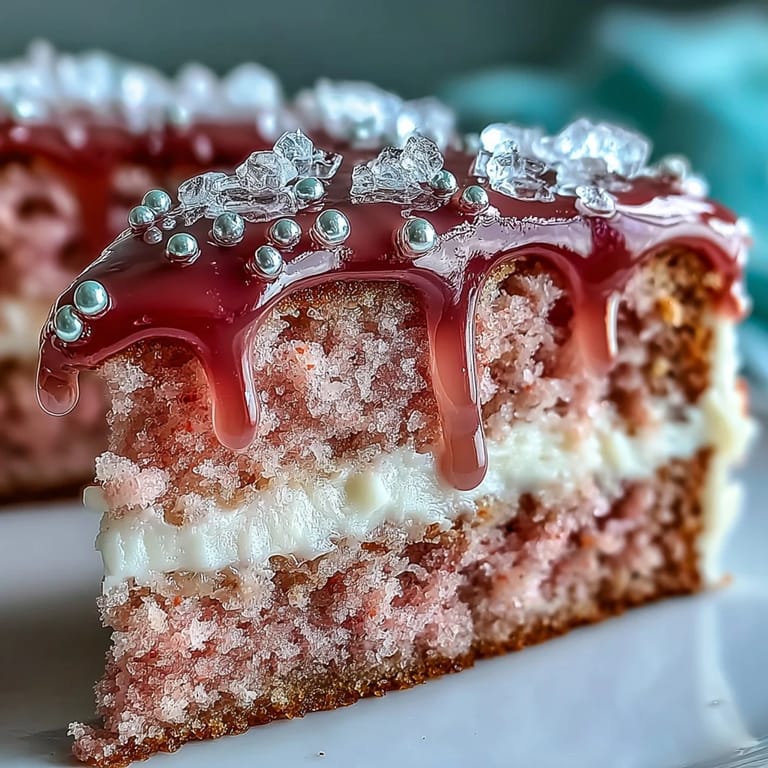
Getting the gold drip just right is a bit like learning a little kitchen sorcery: the trick is letting the chocolate ganache cool so it’s thick but still flows. Use a spoon and gently nudge a bit over the cake’s edge for a controlled drip—too hot, and it’ll run; too cool, and it won’t budge.
Celebration Cake Decorating in Real Life
Embrace the quirks as you decorate—smudged frosting can be covered with an extra swirl, and imperfect drips just give it personality. Enlist a friend for flower or gold leaf placement; laughter and second opinions guarantee charm over perfection.
- Chill the cake before every decorating step to avoid melting mishaps.
- Sift confectioners’ sugar for cloudlike, lump-free frosting.
- If your gold paint looks streaky, add a drop more liquid for smoothness.
 Save to Pinterest
  Save to Pinterest
 Whatever the occasion, this rosy, glimmering cake is pure joy to serve—and even more fun to share. Here’s to sweet moments that taste as gorgeous as they look.
Recipe FAQs
- → Can I make this without alcohol?
Yes—substitute rosé with pink grape juice or sparkling cider in a 1:1 ratio. For a touch of acidity that mimics wine, add a teaspoon of lemon juice if desired; keep the total liquid volume the same.
- → How do I achieve a natural pink hue without gel coloring?
Use freeze-dried strawberry or beet powder folded into the batter for natural pink tones, or increase the rosé slightly for a subtle blush. Add sparingly to avoid altering texture or flavor.
- → How can I prevent a runny gold drip?
Cool and chill the frosted cake thoroughly before dripping. Use a slightly thickened white chocolate ganache, test drips on the chilled edge, and return the cake to the fridge to set before brushing gold luster.
- → What's the best way to store the cake?
Refrigerate covered for up to 3–4 days. Bring to room temperature 30–60 minutes before serving for best texture. Freeze unfrosted layers up to 2 months, wrapped tightly, and decorate after thawing.
- → How can I stabilize the cream cheese frosting for warmer conditions?
Chill the bowl and beaters, use full-fat cream cheese and butter, and chill the frosting briefly after whipping. For extra hold, fold in a small amount of sifted confectioners' sugar or a teaspoon of cornstarch; avoid overbeating.
- → Can components be prepared ahead of time?
Yes—bake layers a day or two ahead and wrap tightly. Make frosting and keep chilled. Assemble and chill the cake the day before, but reserve the gold brushing and final drip for just before serving if possible.