 Save to Pinterest
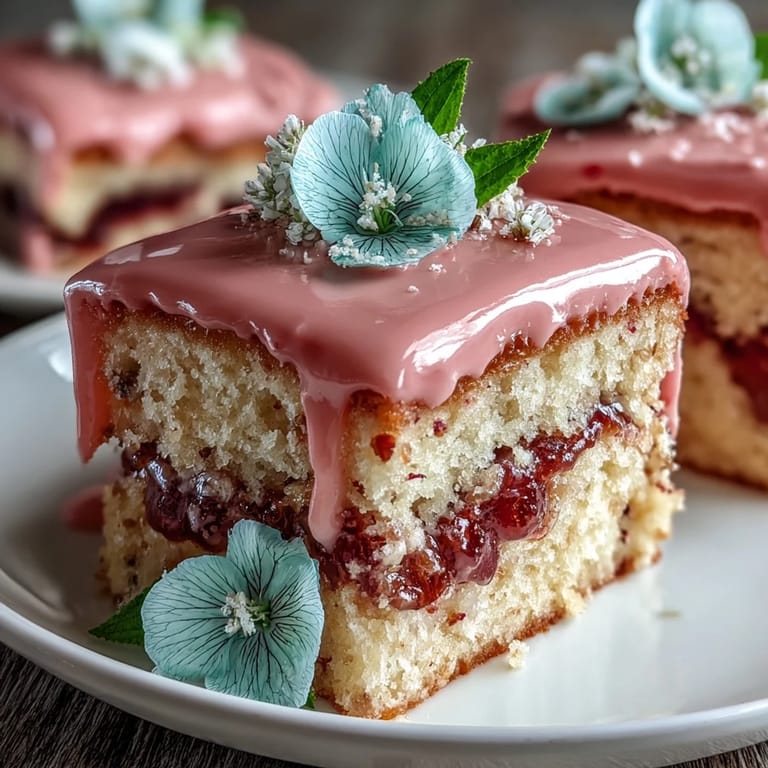
 My cousin texted me three weeks before her birthday asking if I could bake her a cake, and honestly, I almost said no because I'd never decorated anything fancy before. But then she sent a photo of some soft pastel floral cakes she loved, and something about the gentle pinks and lavenders made me want to try. Turns out, making a beautiful cake isn't about having a steady hand or years of experience—it's about taking your time and trusting that butter and sugar know how to be soft and forgiving. This vanilla cake became my favorite thing to bake that spring.
When I finally served that first birthday cake, my cousin's mom pulled me aside and said it looked like something from a bakery, which made me laugh because an hour earlier I'd been convinced I'd ruined it. The cake sat in the center of the table with candles lit, and watching people's faces light up when they tasted how soft and delicate it was—that's when I realized this wasn't just a dessert, it was a small moment of care made edible.
Ingredients
- All-purpose flour (2 ½ cups): The foundation of your cake's tender crumb, and sifting it twice helps avoid dense pockets that can hide in the finished layers.
- Baking powder (2 ½ tsp): This is your lift, your promise that the cake will rise evenly—don't skimp or substitute.
- Salt (½ tsp): A pinch of salt deepens the vanilla flavor in ways sugar alone never could.
- Unsalted butter (1 cup for cake, 1 ½ cups for frosting): Room temperature is non-negotiable here; cold butter won't cream properly and you'll end up with a gritty texture instead of that cloud-like base.
- Granulated sugar (2 cups): This feeds the butter and creates air pockets that make the cake light and delicate when beaten together.
- Large eggs (4 whole): Room temperature eggs emulsify smoothly into the butter without creating lumps or streaks in the batter.
- Pure vanilla extract (1 tbsp for cake, 2 tsp for frosting): Use real vanilla, never imitation, because you'll taste the difference in every bite.
- Whole milk (1 cup for cake, ¼ cup for frosting): Room temperature milk incorporates without shocking the batter and keeps everything tender.
- Powdered sugar (6 cups, sifted): Sifting removes lumps before you mix, which saves you from feeling grainy frosting on your tongue.
- Gel food coloring: Gel colors don't thin out your frosting the way liquid colors do, so your pastels stay creamy and vibrant.
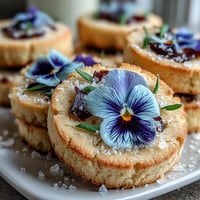
- Edible flower petals and sprinkles: These are optional but they're the final whisper that says someone took time to make this special.
Tired of Takeout? 🥡
Get 10 meals you can make faster than delivery arrives. Seriously.
One email. No spam. Unsubscribe anytime.
Instructions
- Prepare Your Pans and Heat the Oven:
- Preheat to 350°F and grease three 8-inch round pans with butter, then line the bottoms with parchment paper circles—this prevents the bottom from sticking while the sides release cleanly. The oven needs time to reach temperature, so don't skip this step or your cake will bake unevenly.
- Combine Your Dry Ingredients:
- In a medium bowl, whisk together flour, baking powder, and salt until they're evenly distributed and there are no hidden pockets of baking powder that could create bitter spots. This takes barely two minutes but changes everything about how evenly your cake rises.
- Cream Butter and Sugar into Clouds:
- Beat room-temperature butter and sugar on medium-high speed for 3 to 4 minutes until the mixture is pale, fluffy, and nearly doubled in volume—this is where the magic starts because you're literally whipping air into the butter. You'll know it's ready when it looks like fluffy clouds and leaves a trail when you lift the beaters.
- Add Eggs One at a Time with Patience:
- Drop one egg in, beat it completely until the mixture looks smooth and glossy, then add the next—rushing this step means your batter will look curdled and grainy instead of silky. After all four eggs are in, add the vanilla extract and beat once more.
- Alternate Flour and Milk, Starting and Ending with Flour:
- Add about a third of the flour mixture, beat gently until almost combined, then add half the milk, stir, then another third of flour, the rest of the milk, and finally the last of the flour. The reason for this pattern is that milk needs flour surrounding it to help it blend smoothly without overmixing the batter.
- Divide and Smooth:
- Pour the batter evenly among the three pans and smooth the tops with an offset spatula so they bake at the same rate. If you only have two pans, you can bake in batches using the same pans, just let them cool between uses.
- Bake Until Golden and Set:
- Bake for 25 to 30 minutes until the tops are lightly golden and a toothpick inserted in the center comes out clean or with just a few moist crumbs—no wet batter should stick to it. The kitchen will smell warm and vanilla-sweet, and that's when you know you're close.
- Cool Completely Before Frosting:
- Let cakes sit in the pans for 10 minutes, then turn them out onto wire racks to cool completely at room temperature, which takes about an hour. Frosting warm cake causes the frosting to melt and slide off, so patience here saves frustration later.
- Make the Buttercream Base:
- Beat room-temperature butter until creamy and pale, then gradually add sifted powdered sugar, milk, vanilla, and salt, beating for 3 to 4 minutes until fluffy and smooth. The gradual addition of sugar prevents clouds of it from puffing into the air and coating your face.
- Divide and Color Your Frosting:
- Split the buttercream into separate bowls and add just a tiny drop of gel food coloring to each, stirring gently until you have soft pastels. Start with less color than you think you need because the color deepens as you stir.
- Layer and Crumb Coat:
- Place the first cake layer on your serving plate, spread a layer of buttercream on top, add the second layer with more frosting, then the third, and frost the outside with a thin crumb coat to catch any stray crumbs. Chill this for 20 minutes so the base coat sets and any crumbs won't mix into your final frosting layer.
- Decorate with Piped Flowers and Details:
- Fill piping bags with your pastel buttercreams fitted with various tips—petal tips for flowers, small round tips for centers and details—and pipe gently onto the chilled cake. Take your time here, step back often to see how it looks, and remember that imperfect flowers feel more organic and real than perfect ones.
- Final Chill and Serve:
- Chill the finished cake for 15 to 20 minutes to set the buttercream and keep the decorations from smudging when you transport it. This final chill also helps the cake taste its best because the flavors have a chance to settle.
 Save to Pinterest
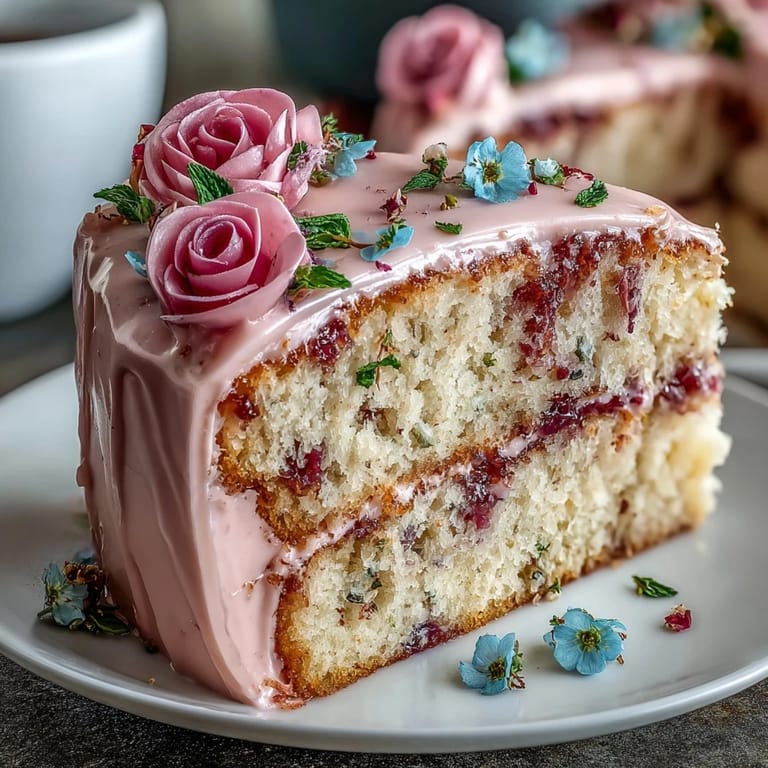
 There's something humbling about baking a three-layer cake for the first time and having it actually work, and even more meaningful when someone you love takes a bite and closes their eyes like it's transported them somewhere good. That's what this cake does—it becomes the centerpiece of a moment, a small act of sweetness wrapped up in pastel colors and butter.
Why Room Temperature Matters More Than You Think
I learned this the hard way when I rushed and used cold eggs straight from the fridge, and the batter looked curdled and broken for the first time in my baking life. Warm ingredients emulsify together smoothly because the molecules move faster and combine more readily, which is why your frosting becomes fluffy instead of remaining dense and separated. Even your milk should be room temperature so it doesn't shock the warm batter and cause it to seize up.
Piping Flowers Feels Scarier Than It Actually Is
The first time I tried piping, I squeezed too hard and created what looked like a pastel blob, so I panicked and smoothed it down with a knife, then tried again with lighter pressure. It turns out that piping flowers is really just muscle memory and gentle repetition—petal tip, small squeeze, slight twist, release—and after the third flower, your hand remembers the motion. You can also practice on parchment paper with a little buttercream first if that helps you feel less nervous about using your carefully made frosting.
The Gift of Taking Your Time
Baking this cake taught me that some things genuinely cannot be rushed, and that's not a limitation—it's a gift. Creaming butter and sugar slowly, alternating ingredients gently, cooling layers completely, and chilling the crumb coat all take time, but each step exists because it makes the cake better. When you finally set that finished cake on the table and see someone's face light up, you'll understand that every minute was worth it.
- If your buttercream ever feels too soft while decorating, pop it back in the fridge for five minutes to firm up.
- Make the cake layers a day ahead so you're only decorating on the day of the party, which reduces stress and lets you focus on making the flowers pretty.
- If gel food coloring stains your hands, rub them with a little cooking oil before washing—it removes the color faster than soap alone.
 Save to Pinterest
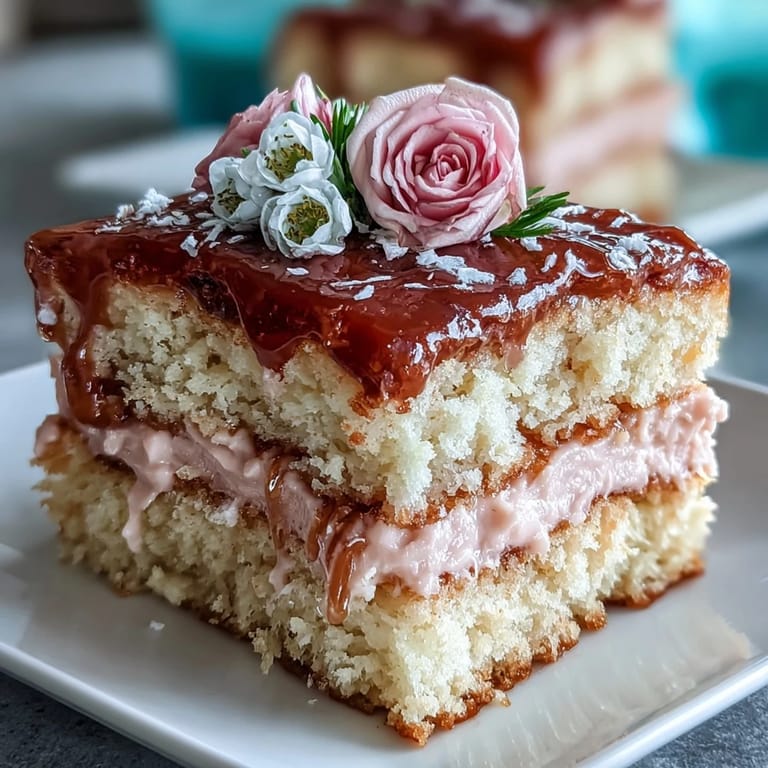
 This cake became my spring tradition, the one I reach for whenever someone needs a little joy wrapped up in sweetness and soft colors. Make it for someone you love, take your time with it, and trust that it will turn out just as beautiful as you hoped.
Recipe FAQs
- → What type of flour is best for this cake?
All-purpose flour is recommended for balanced structure and tenderness in the cake layers.
- → How can I achieve the pastel colors in the buttercream?
Use gel food coloring in small amounts to tint the buttercream softly without altering its texture.
- → Can I prepare the cake layers in advance?
Yes, cake layers can be baked a day ahead and stored wrapped to maintain moisture before decorating.
- → What is the best way to pipe the floral buttercream decorations?
Use piping bags fitted with assorted tips to create petals and floral patterns with smooth, even pressure.
- → Are there alternatives to the milk listed in the ingredients?
You may substitute whole milk with a plant-based milk for dietary preferences, but it may slightly affect texture.