 Save to Pinterest
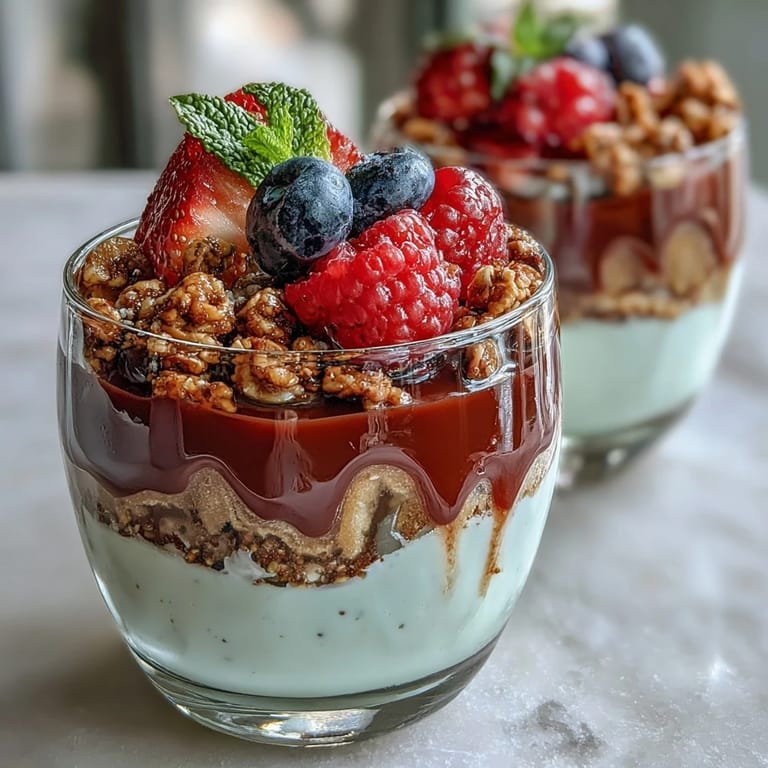
 There's a particular moment at a Japanese tea house when the server pours hojicha into your cup and you're hit with that toasty, almost nutty warmth—it feels like autumn captured in a beverage. Years later, I wondered if I could bottle that exact feeling into a dessert, and that curiosity led me to this parfait. The roasted tea became creamy, the berries kept their brightness, and suddenly I had something that felt both sophisticated and strangely comforting.
I made this for my sister who claimed she didn't like panna cotta because she'd only ever had the plain vanilla kind. When she tasted the hojicha version, her eyes lit up in a way that made me realize she wasn't rejecting the dessert—she just hadn't found the right one yet. That's when I understood this recipe wasn't just about layers and textures, but about finding the exact combination that makes someone say yes.
Ingredients
- Heavy cream: The foundation of silky panna cotta; use full-fat for the best texture and mouthfeel.
- Whole milk: Balances richness with a lighter feel so the dessert doesn't become heavy.
- Hojicha tea leaves: Roasted green tea with a warm, slightly sweet profile; don't skip the steeping step or you'll miss the flavor entirely.
- Granulated sugar: Dissolves cleanly into the warm cream without grittiness.
- Powdered gelatin: The invisible magic that transforms liquid into silky custard; blooming it first ensures even distribution.
- Cold water: For blooming gelatin; temperature matters here, so keep it cold.
- Vanilla extract: A whisper of vanilla that doesn't fight the hojicha but complements it.
- Mixed fresh berries: Choose berries at their peak ripeness; the sugar maceration brings out their natural juices.
- Granola: Homemade is wonderful, but quality store-bought works perfectly and saves time.
Tired of Takeout? 🥡
Get 10 meals you can make faster than delivery arrives. Seriously.
One email. No spam. Unsubscribe anytime.
Instructions
- Bloom the gelatin:
- Sprinkle gelatin over cold water in a small bowl and let it sit for 5 minutes until it looks spongy. This step prevents lumps when you mix it into the warm cream.
- Heat the cream and milk:
- Pour cream and milk into a saucepan and warm gently over medium heat until you see wisps of steam but no rolling bubbles. You want it hot enough to extract flavor from the tea, not hot enough to scald.
- Steep the hojicha:
- Add hojicha leaves to the hot cream mixture, cover with a lid, and let it sit for 10 minutes while the kitchen fills with that toasty, almost caramel-like aroma. Strain through a fine mesh sieve, pressing gently on the leaves to coax out every drop of flavor, then discard the solids.
- Dissolve the sugar:
- Return the infused cream to low heat, add sugar, and stir until it dissolves completely. Keep the heat gentle so you don't accidentally simmer it.
- Combine with gelatin:
- Remove from heat and immediately add the bloomed gelatin, stirring for about 30 seconds until it dissolves completely into the warm cream. The heat will melt it without any lumps if you stir steadily.
- Add the vanilla:
- Stir in vanilla extract, then let the mixture cool for a minute or two before pouring.
- Set the panna cotta:
- Pour the mixture into 4 serving glasses, filling each about halfway. Refrigerate for at least 4 hours until the surface feels set but still jiggles slightly when you tap the glass.
- Prepare the berries:
- Toss fresh berries with a tablespoon of sugar if you like, and let them sit for 10 minutes so they release their juices into a light syrup.
- Layer and serve:
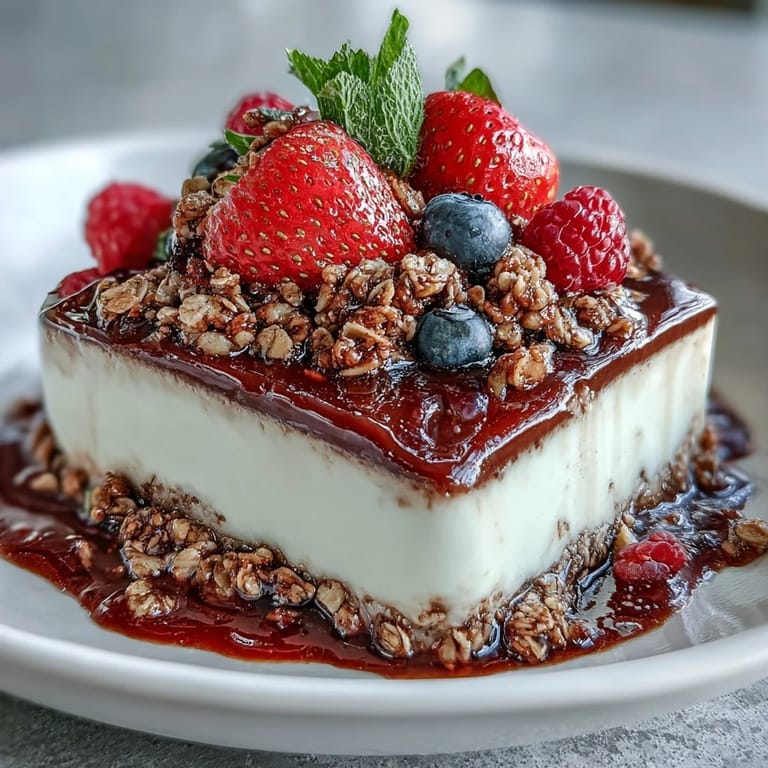
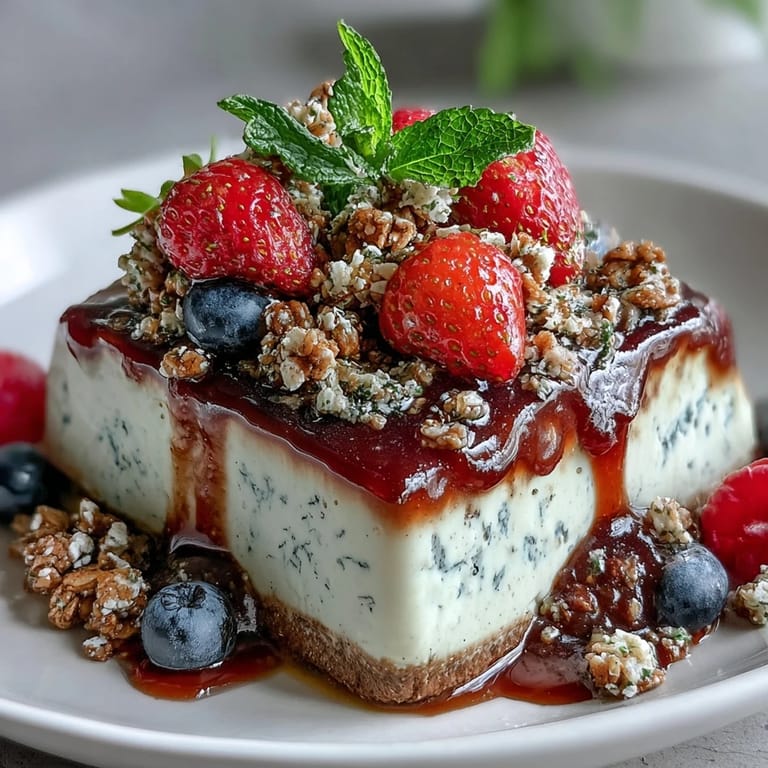
- Once the panna cotta is set, spoon granola over the top, then add a generous portion of berries and their juice. Serve immediately while the granola is still crisp.
 Save to Pinterest
 My grandmother visited from Tokyo and brought a tin of hojicha with her, the fancy kind meant for tea ceremonies. Instead of brewing it traditionally, I used it for this dessert, and when she tasted it, she laughed and said it was better than the original because it held the flavor longer. That's when I realized this recipe had bridged something between us that words couldn't quite reach.
Choosing Quality Ingredients
The beauty of a minimalist dessert like this is that each ingredient matters. I once made it with bulk hojicha that had been sitting on a shelf too long, and the panna cotta tasted flat and dusty instead of warm and inviting. Since then, I source my hojicha from places that turn it over quickly, and the difference is immediate—the cream develops that rich, almost caramel-forward note that makes people wonder what they're tasting. Similarly, frozen berries can work in a pinch, but fresh berries at their peak bring a brightness that makes the whole dessert feel alive.
Why Hojicha Works in Dessert
Hojicha is often overlooked because most people know matcha or regular sencha, but roasted green tea has a gentler, almost sweet quality that doesn't shout in the way matcha does. It sits quietly in the background, reminding you of autumn and toast and quiet afternoons. I think that's why it pairs so well with panna cotta—neither one tries to dominate, and together they create something that feels mature but never pretentious.
Timing and Storage Tips
The 4-hour chilling time might feel long, but it's a gift because you can make the panna cotta in the morning and assemble desserts in the evening, or prep everything a day ahead except the final layering. The set panna cotta keeps well in the fridge for up to 2 days if you cover it loosely, though the granola will eventually soften if it sits on top, so layer only what you plan to serve immediately.
- Make the panna cotta the night before and layer just before serving to keep granola at peak crunch.
- If you're serving multiple people, assemble glasses one at a time as guests arrive so each parfait is perfectly fresh.
- Store any leftover berries and granola separately and rebuild the parfait if someone wants seconds.
 Save to Pinterest
 This dessert taught me that sometimes the most elegant meals come from quiet moments of curiosity rather than complicated techniques. Serve it with tea if you're feeling ceremonial, or with coffee if you want to let the hojicha stand alone.
Recipe FAQs
- → What does hojicha taste like?
Hojicha offers earthy, roasted notes with less bitterness than other green teas. Its warm, toasty flavor pairs beautifully with cream and creates subtle depth in desserts.
- → Can I make this ahead of time?
The panna cotta layer can be prepared up to two days in advance and refrigerated. However, add granola and berries just before serving to maintain their crisp texture and prevent sogginess.
- → How do I achieve the perfect panna cotta texture?
Ensure gelatin blooms fully in cold water before incorporating. Avoid boiling the cream mixture after adding gelatin, as high heat can break down its setting properties. Refrigerate for the full recommended time.
- → What berries work best for this dessert?
Mixed berries offer variety in color and flavor. Strawberries provide sweetness, blueberries add mild tartness, while raspberries contribute bright acidity. Choose fresh, seasonal berries at peak ripeness.
- → Can I substitute hojicha with other teas?
Matcha creates a vibrant green version with grassy notes. Earl Grey lends floral bergamot flavor. Chai offers warm spices. Adjust quantities based on tea strength, as some varieties infuse more intensely than others.
- → Is there a vegan alternative for gelatin?
Agar-agar works well as a plant-based setting agent. Use approximately 1 teaspoon powdered agar-agar for each teaspoon of gelatin, following package instructions for proper activation. Coconut cream creates rich vegan texture.